August Pet Dental Health Tips for Mountain Green Owners
August Pet Dental Health Tips for Mountain Green Owners
As summer winds down in Mountain Green, many pet owners are busy soaking up the last warm days with their dogs and cats. While outdoor adventures and playtime are important, August is also a great month to focus on your pet’s dental health. At Mtn Green Animal Hospital, our team of veterinarians is dedicated to helping you keep your pet’s smile healthy year-round. Dental disease is one of the most common issues we see in dogs and cats, yet it’s often overlooked until serious problems arise. In this blog, we’ll share expert dental care tips tailored for Mountain Green pet owners, explain how to recognize signs of dental disease, discuss why oral health matters, and guide you on when to schedule a dental checkup at our welcoming 5714 W Canyon View Circle, Suite A, Mountain Green, UT 84050. We’ll also cover how our local climate and lifestyle can impact your pet’s teeth, ensuring you have the knowledge and resources to keep your companion healthy and comfortable.
Whether you’re a new pet owner or you’ve shared many seasons with your furry family member, these August dental health tips can help you prevent problems before they start. If you notice any warning signs or want a professional assessment, our team is here to support you every step of the way.
How to Recognize Dental Problems in Your Dog or Cat
Understanding what dental disease looks like is the first step to protecting your pet’s health. Many dental issues progress silently, so it’s important to be aware of both subtle and obvious signs. Bad breath is commonly noticed by pet owners, but there are other symptoms that may indicate a problem. Key symptoms include red or swollen gums, yellow or brown buildup on the teeth (known as tartar), drooling or dropping food while eating, and reluctance to chew toys or hard treats. Cats may show signs like pawing at the mouth or eating less than usual, while dogs might whine during meals or show less interest in chew toys. Additionally, loose or missing teeth, bleeding from the mouth, and changes in your pet’s behavior—such as irritability—are warning signs that should not be ignored.
You might also observe your dog or cat rubbing their face on furniture or the floor, which can indicate oral discomfort. Sometimes, pets with dental pain become quieter or hide more than usual, especially cats. Even if your pet seems to be eating normally, underlying dental issues can still be present, so regular checks at home and with your veterinarian are essential.
If you notice any of these symptoms, it’s a good idea to schedule a comprehensive physical exam with our team. Early intervention can make a big difference in your pet’s comfort and long-term wellbeing.
Why Dental Disease Happens: Causes and Risk Factors
Dental disease in pets doesn’t develop overnight. It’s usually the result of plaque, a sticky film of bacteria, building up on the teeth. Over time, plaque hardens into tartar, which irritates the gums and can lead to gingivitis (gum inflammation) or more severe conditions like periodontitis. Small breed dogs and cats are especially prone to dental problems because their teeth are often crowded, making it easier for food particles and bacteria to get trapped. Older pets are also at higher risk, as years of plaque and tartar buildup take their toll.
Diet and chewing habits play a significant role as well. Pets that eat mostly soft food or don’t have access to dental chews often experience more plaque buildup. Certain breeds, such as Chihuahuas, Dachshunds, and Persian cats, are genetically predisposed to dental issues. Additionally, underlying health conditions like diabetes or kidney disease can worsen oral health. If your pet has a history of dental problems, they may require more frequent care and monitoring.
The dry climate in Mountain Green and surrounding communities can also affect your pet’s oral health by reducing natural saliva production, which normally helps rinse away food particles and bacteria. During the hot summer months, pets may drink less water if they’re busy playing outside, further decreasing saliva flow. All of these factors combine to increase the likelihood of dental problems, especially in August when routines may change due to vacations or back-to-school schedules.
Professional Dental Care: What to Expect from Your Veterinarian
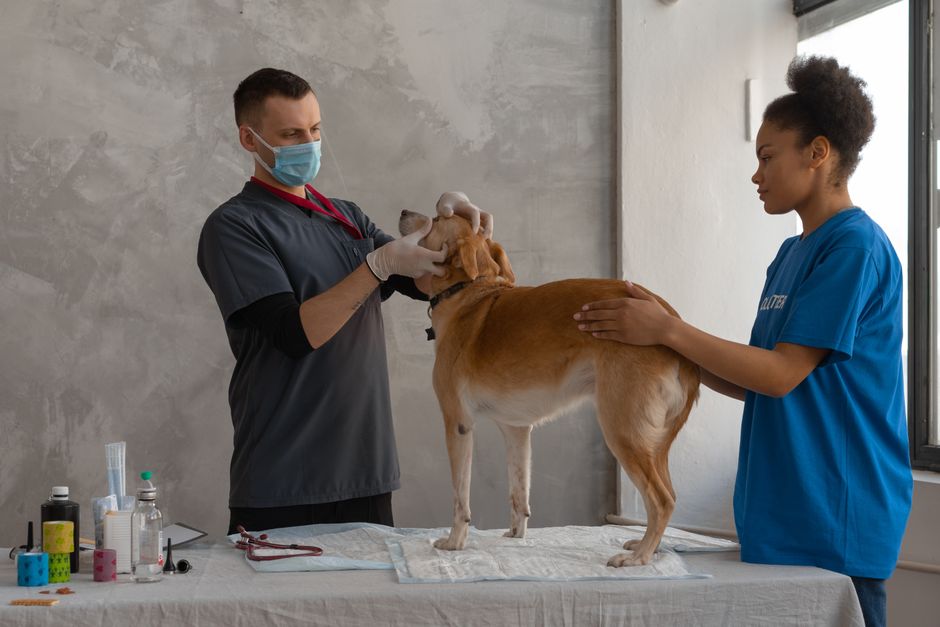
When it comes to managing dental disease, professional veterinary care is the gold standard. At Mtn Green Animal Hospital, our dental care services are designed to address everything from routine cleanings to advanced oral surgery. If your pet shows signs of dental disease or it’s been more than a year since their last dental checkup, scheduling a professional pet teeth cleaning is an important step. During a dental cleaning, your pet will be safely anesthetized so our veterinary team can thoroughly remove plaque and tartar from all tooth surfaces—even those below the gumline that cannot be reached with brushing alone.
In some cases, dental radiographs (X-rays) are needed to assess tooth roots and jawbone health. These images help us detect hidden problems such as abscesses, broken teeth, or bone loss. If we find advanced dental disease, oral surgery may be recommended. Treatment approaches involve removing severely damaged teeth or repairing oral tissues, always with your pet’s comfort and long-term health as our highest priorities. You can learn more about our comprehensive dental care services and the steps involved in advanced dental procedures by visiting our website.
After any dental procedure, our team will provide detailed home care instructions, pain management if needed, and follow-up recommendations to ensure your pet heals quickly and returns to their normal routine as soon as possible.
Preventing Dental Disease at Home: Daily Care Makes a Difference
Prevention is the foundation of good dental health for your dog or cat. The most effective way to prevent dental disease is daily tooth brushing with a pet-safe toothpaste. Brushing removes plaque before it can harden into tartar. If brushing is new to your pet, start slowly and reward them with praise and treats to build positive associations. Even brushing a few times a week can make a significant difference over time.
Dental chews and toys are another helpful tool, as they help mechanically clean teeth while satisfying your pet’s natural urge to chew. Look for products approved by the Veterinary Oral Health Council (VOHC) for proven effectiveness. Feeding crunchy kibble or dental diets can also help scrape away plaque; however, these should be used as part of a balanced diet and not as a substitute for brushing.
Regular home checks are important, too. Lift your pet’s lips to look for redness, swelling, or tartar buildup. If you notice any changes in your pet’s breath, gums, or eating habits, make note and contact your veterinarian. Scheduling annual dental checkups, along with routine preventative veterinary care, provides peace of mind and catches problems early.
In the dry summer months, encourage your pet to drink plenty of fresh water. Hydration supports oral health by keeping saliva flowing and rinsing away bacteria. Keep water bowls clean and filled, especially after outdoor play.
When to Schedule a Professional Dental Exam
It’s not always easy to tell when your pet needs professional dental care, but there are some clear situations when a visit to the veterinarian is essential. If you notice bleeding from the mouth, sudden changes in eating or drinking habits, persistent bad breath, or any signs of pain, schedule an appointment promptly. Pets that have never had a dental cleaning, or those with visible tartar and gum inflammation, are also good candidates for a dental exam.
Routine dental checkups are recommended at least once a year for most pets, but some may need more frequent visits based on age, breed, and risk factors. Our veterinary professionals at Mtn Green Animal Hospital can assess your pet’s individual needs and help you set up a preventive care plan that fits your lifestyle. If you’re preparing for fall adventures or back-to-school routines, August is the perfect time to make sure your pet’s dental health is on track.
If you’re searching for a "vet near me" in Mountain Green who understands the unique needs of local pets, our team is here to help. We offer advanced diagnostics, compassionate care, and personalized recommendations to keep your dog or cat healthy and happy.
Keeping Your Pet’s Smile Healthy in Mountain Green
Dental health is about more than fresh breath—it’s a key part of your pet’s overall wellbeing. Untreated dental problems can lead to pain, infection, and even affect the heart, liver, or kidneys. By staying proactive with daily home care and scheduling regular checkups at Mtn Green Animal Hospital, you’re giving your pet the best chance at a long, healthy life.
If you have questions about your pet’s dental health or want to schedule a dental cleaning, contact our veterinary team today at (801) 516-7004. We serve Mountain Green and surrounding communities with comprehensive, compassionate care for dogs and cats of all ages.
Your pet’s comfort and health are always our top priorities. Let us partner with you to keep those tails wagging and purrs going strong—today and every season. For more information about our dental care options, visit our page on professional pet teeth cleaning services or reach out to schedule an appointment. We look forward to seeing you and your pet soon!
Disclaimer: The information in this blog is intended for educational purposes and should not replace professional veterinary advice. If your pet is experiencing pain, infection, or other urgent symptoms, please contact your veterinarian immediately for personalized care.