




Surgery in Mountain Green, UT
Pet Surgery in Mountain Green, UT
Trust your pet’s surgical care to Mtn Green Animal Hospital, your experienced partner for safe, compassionate, and advanced veterinary surgery in Mountain Green. Our skilled veterinary team is dedicated to delivering exceptional outcomes for every procedure.
Understanding Pet Surgery
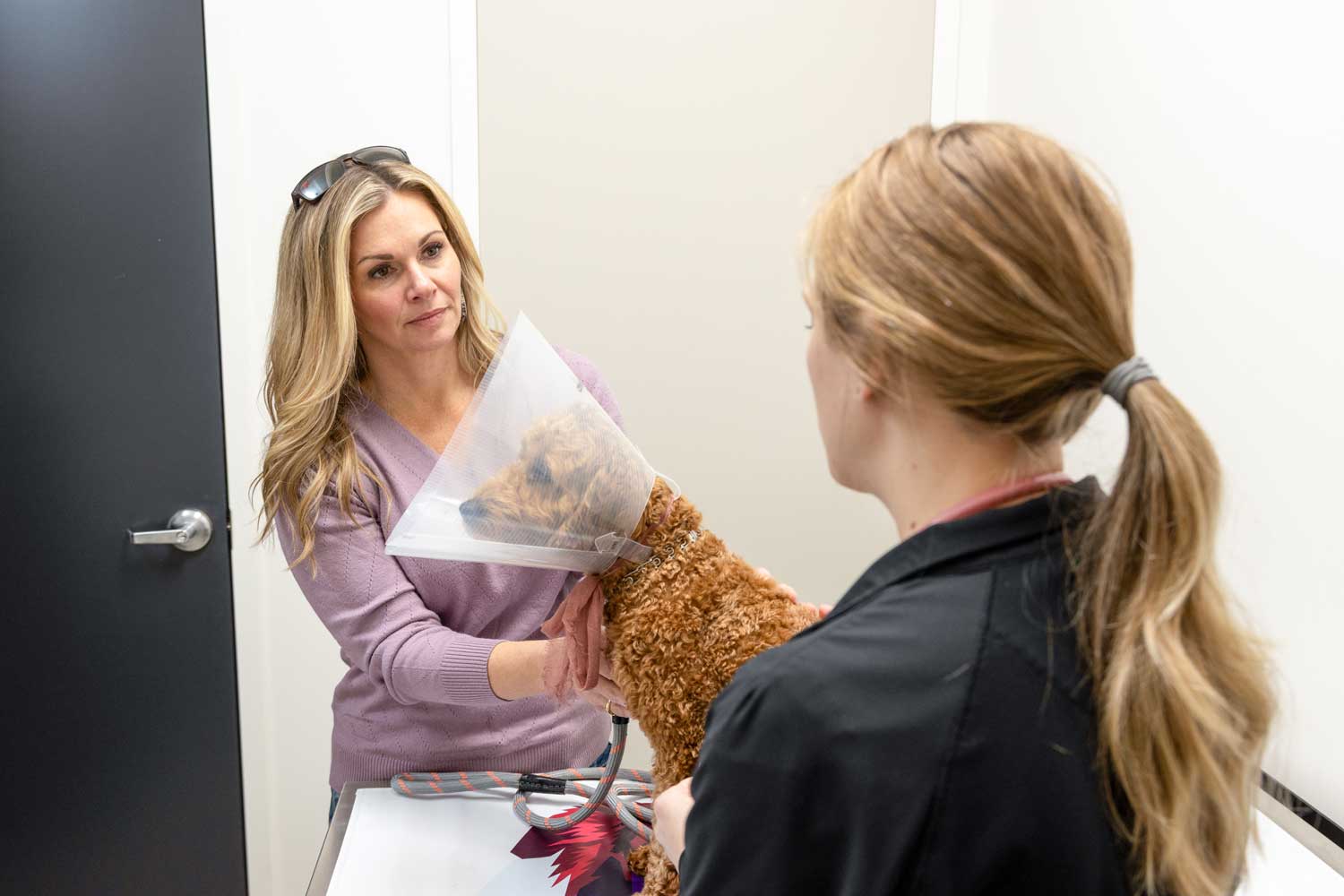
Veterinary surgery addresses a wide range of medical and preventive needs, from routine spay and neuter to complex internal and cancer procedures. Surgical care is essential for treating injuries, resolving health concerns, and improving your pet’s quality of life.
At Mtn Green Animal Hospital, we offer a broad spectrum of surgical services, including spay and neuter, dental surgery, internal surgery, cancer surgery, amputations, and emergency procedures. Our veterinary team uses advanced technology and strict safety protocols to ensure the best care for your pet.
Surgery can alleviate pain, treat disease, and even save lives. Pet owners in Mountain Green and surrounding communities choose us for our thorough approach, modern facility, and commitment to honest medicine. We ensure every pet receives tailored care to maximize surgical success and minimize recovery times.
Your pet’s safety, comfort, and long-term health are always our highest priorities.
What to Expect During Veterinary Surgery
When your pet needs surgery, we understand how stressful it can feel. Our veterinarians are here to answer every question and guide you through each step to ensure a positive experience for you and your pet.
Detailed Pre-Surgical Assessment
Before any surgery, your pet will receive a complete physical exam and, when indicated, pre-anesthetic bloodwork. This helps our veterinary team at Mtn Green Animal Hospital assess their overall health and identify potential risks.
We discuss the surgical procedure in detail with you. Our veterinarians answer all questions and ensure you fully understand the plan for your pet’s care.
Safe Anesthesia and Advanced Monitoring
Our team uses modern anesthetic protocols tailored to your pet’s unique needs. We carefully calculate dosages based on age, size, and medical history to maximize safety.
During surgery, we use advanced monitoring equipment to track your pet’s heart rate, oxygen levels, and other vital signs throughout the procedure. This helps prevent complications and allows for adjustments as needed.
Skilled Surgical Technique and Precision
Dr. Poll brings additional expertise in advanced and emergency procedures, allowing us to perform surgeries that many general practices may refer elsewhere. Our veterinarians utilize meticulous sterile technique and the latest tools for optimal surgical outcomes.
Whether your pet needs a routine spay or a complex tumor removal, our team delivers precise, compassionate surgical care with a focus on minimizing discomfort and trauma.
Personalized Pain Management and Post-Op Care
Pain relief and comfort are essential parts of every surgery at Mtn Green Animal Hospital. We create custom pain management plans to meet your pet’s needs.
After surgery, your pet is closely monitored during recovery. Our veterinary professionals provide detailed home care instructions, ongoing support, and regular check-ins to ensure a smooth and safe healing process.
Why Pet Surgery Is Important for Your Pet
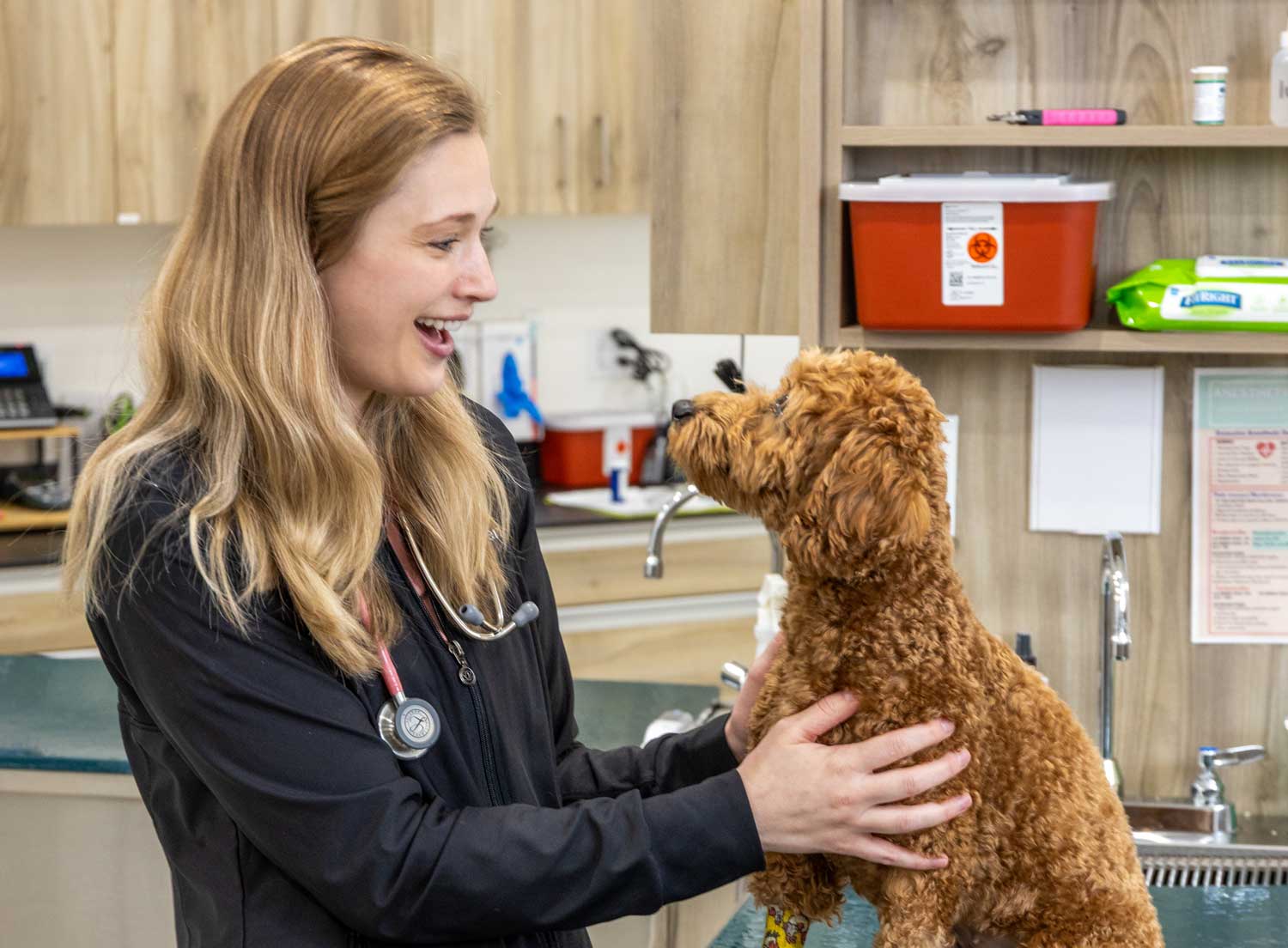
Surgery plays a vital role in treating illness, preventing disease, and enhancing your pet’s quality of life. From removing life-threatening tumors to restoring physical function after injury, surgical intervention can be both lifesaving and life-changing.
Timely pet surgery in Mountain Green helps address conditions like cancer, severe infections, blockages, reproductive illness, fractures, or dental disease. Early treatment often leads to quicker recovery and fewer complications.
Routine surgeries like spaying or neutering also deliver important health benefits, including reducing unwanted litters and lowering certain cancer risks. Our team is committed to providing clear options and supportive guidance throughout your pet’s surgical journey.
Restores Health and Relieves Suffering
Surgery can eliminate pain from issues like infected teeth, broken bones, or tumors. Quick intervention improves your pet’s comfort and helps them return to normal activities sooner.
Prevents More Serious Disease
Many surgical procedures catch or treat problems before they worsen. Early removal of growths, prompt dental care, or timely emergency surgery can dramatically improve prognosis and extend your pet’s life.
Supports Long-Term Wellness
Ongoing health and quality of life improve with effective surgical treatment. Pets that receive surgical care at the right time often enjoy more active, happy years with their families.
Signs Your Pet May Need Veterinary Surgery
Some signs are clear and urgent, while others are subtle but important. Contact our veterinary team promptly if your pet experiences any of these symptoms:
- Persistent pain or limping
- Difficulty eating or chewing
- Swelling, lumps, or masses under the skin
- Unexplained weight loss or lethargy
- Bleeding, wounds, or infections that do not heal
If you notice these or any unusual changes in your pet’s behavior, call Mtn Green Animal Hospital as soon as possible. Early veterinary assessment can make a significant difference in treatment options and recovery.
How Often Should Your Pet Receive Surgical Services?
Surgery is not always routine, but some procedures, such as spaying or neutering, are recommended for most pets at a young age. Other surgeries are needed only when specific medical issues arise.
The need for veterinary surgery depends on factors like age, breed, pre-existing health conditions, and lifestyle. Pets with chronic conditions or older animals may require surgical intervention more frequently.
Our veterinarians at Mtn Green Animal Hospital provide individual recommendations based on a thorough exam, diagnostics, and your pet’s unique needs. Regular physical exams help us detect problems early and decide when surgical treatment is right.
Practice Highlights
Choose Mtn Green Animal Hospital for veterinary surgery in Mountain Green, UT, and give your pet access to the highest standard of care in the region.
- Comprehensive Surgical Offerings: Spay and neuter, dental, internal, cancer, emergency, and more, right here in Mountain Green
- Advanced Surgical Skill: Dr. Poll is proficient in procedures beyond typical general practice, supporting a wide range of cases
- Modern Facility and Equipment: Brand-new clinic with state-of-the-art surgical suite and anesthesia monitoring
- Personalized, Compassionate Care: Our veterinary team communicates openly and supports you at every step
- Convenient, Local Service: No need to travel to Ogden; same-day appointments and late hours available on Mondays
Frequently Asked Questions
Is surgery safe for my pet?
Our veterinary team uses strict safety protocols for every procedure at Mtn Green Animal Hospital. We tailor anesthesia and monitoring to each pet’s needs and keep you informed at every stage for added peace of mind.
How much does pet surgery cost, and how long does it take?
Costs and recovery times vary with surgery type and each pet’s specific situation. Contact our team, and we’ll provide a detailed estimate tailored to your pet’s needs.
How should I prepare my pet for surgery, and what is recovery like?
We provide clear pre-surgical instructions, such as fasting or medication adjustments. After surgery, you’ll receive detailed home care guidance. Our team stays in touch and prioritizes your pet’s comfort at every step.
What conditions do you treat with pet surgery?
We provide surgery for injuries, tumors, dental disease, internal illnesses, reproductive health, and emergencies. Our team manages a wider array of cases than many clinics, so contact us if you have questions about your pet’s condition.
How can I schedule a surgery, and do you offer urgent care?
Call us to schedule during regular hours or for Monday late-night appointments. We are conveniently located at 5714 W Canyon View Circle and serve Mountain Green and surrounding communities.
Schedule Your Pet's Surgery Appointment Today
If your pet needs a surgical procedure or you need guidance about treatment options, contact Mtn Green Animal Hospital today. Call us at (801) 516-7004 to speak with our veterinary team or book an appointment.
Our hospital is conveniently located in the new development near The Kitchen Pickleball at 5714 W Canyon View Circle, Mountain Green, UT 84050.
We offer flexible scheduling, including Monday evening hours, and same-day care for urgent needs. Trust our team to provide the best surgical care for your pet in Mountain Green and the surrounding area. If you have any questions about surgery or your pet’s specific needs, our veterinarians are always here to help.


Contact Us For Availability!
Call Or Visit Us Today!
Phone
(801) 516-7004Hours
Monday 8 AM - 9 PM
Tuesday to Friday 8 AM - 6 PM
Closed Saturday and Sunday