Five Summer Grooming Tips for Mountain Green Pets
Five Summer Grooming Tips for Mountain Green Pets
Summer in Mountain Green brings long, sunny days and warm, dry weather—perfect for outdoor adventures with your dog or lazy afternoons with your cat basking in a sunbeam. But as temperatures climb, your pet’s grooming needs change, too. A well-groomed coat does more than just look good; it helps your pet stay cool, comfortable, and healthy all season long. At Mtn Green Animal Hospital, our veterinarians in Mountain Green, UT know summer grooming can sometimes leave pet owners with questions: How often should you brush? When is it time for a bath? What if your pet’s fur seems matted or dull? In this blog, we’ll walk you through five essential summer grooming tips to keep your Mountain Green dog or cat cool and comfortable, share warning signs that may signal a need for veterinary help, and explain how our team supports your pet’s health through every season.
Whether you live right here in Mountain Green or in neighboring communities like Morgan, Hooper, or West Haven, these tips will help your pet thrive in Utah’s unique summer climate. If you have questions about your companion’s coat, skin, or general health, our preventative care services are always available to help you keep your pet healthy and happy.
Recognizing When Your Pet Needs Extra Summer Grooming
Not all pets display obvious signs when they need grooming attention. However, summer brings a few challenges that can make problems more noticeable. Key signs your pet may need extra grooming include shedding that seems excessive for the season, tangles or mats developing in the coat, an unpleasant odor even after a recent bath, itchy or flaky skin, or visible debris like grass seeds and foxtails caught in fur. Cats may stop grooming themselves if they are overweight or have arthritis, resulting in greasy or clumped fur. Dogs that spend time outdoors can return with burrs, sap, or dust stuck in their coats, especially after hikes or trips to the dog park.
Additionally, pets might show discomfort by scratching, licking, or biting at certain spots on their bodies. If you notice your dog panting more than usual, favoring shady spots, or your cat seeking out cool tile floors, it may be a sign their coat is too thick for the heat. Skin redness, small scabs, or areas of hair loss can also signal a problem that needs attention.
Why Summer Grooming Matters: Understanding Seasonal Changes
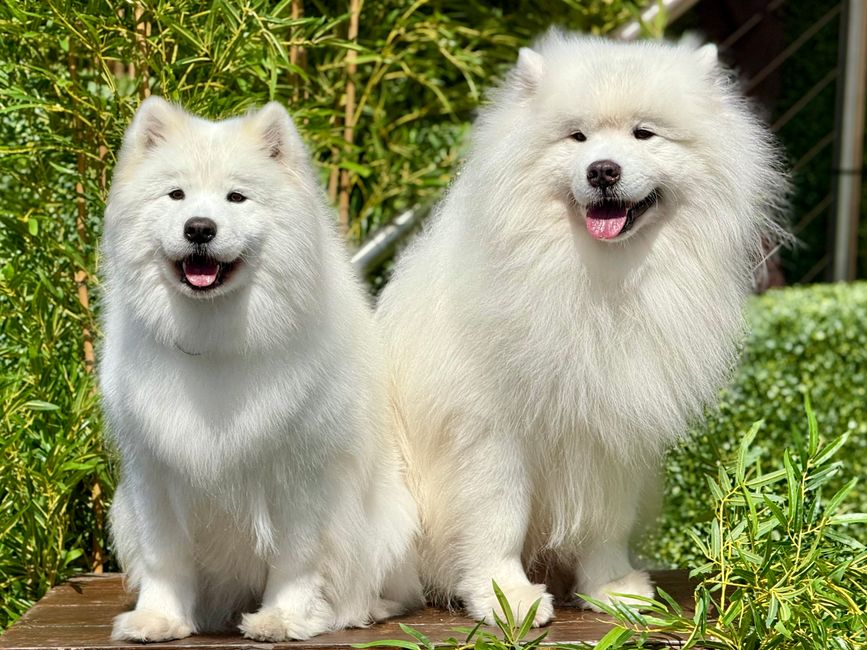
Mountain Green’s warm, dry summers affect pets just as much as their owners. As temperatures rise, dogs and cats naturally shed some of their winter undercoat, but the process isn’t always perfect. Certain breeds—including double-coated dogs like Huskies, Golden Retrievers, or German Shepherds—may hold onto extra undercoat, trapping heat and making them uncomfortable. Cats with medium or long hair, especially those with thick ruffs, can also struggle to shed efficiently in the summer months.
Environmental factors add to the challenge. Dust, pollen, and grass seeds are prevalent in Utah’s summer air and can easily work their way into your pet’s coat, causing irritation or even leading to painful skin infections if not removed. Mats and tangles prevent airflow to the skin, making it harder for your pet to regulate body temperature and increasing the risk of hot spots or fungal infections. And while some owners worry shaving their dog or cat will help with the heat, a properly maintained coat actually insulates against both heat and sunburn.
Five Essential Summer Grooming Tips for Dogs and Cats
1. Brush Regularly to Control Shedding and Prevent Mats
Frequent brushing is the single most important grooming step for most pets in summer. For dogs with shedding undercoats, daily or every-other-day brushing with a slicker brush or undercoat rake helps remove loose fur before it mats. Short-haired dogs benefit from weekly brushing to keep their skin healthy and distribute natural oils. Cats, especially long-haired breeds, should be brushed several times a week to prevent tangles and reduce hairballs. If you notice resistance or discomfort from your pet while brushing, try to be gentle near sensitive areas and use treats to make the experience positive.
2. Bathe When Necessary—but Not Too Often
Bathing helps remove dirt, allergens, and loose fur, but too many baths can dry out your pet’s skin. Most dogs do well with a bath every four to six weeks during summer, unless they get especially dirty from outdoor adventures. Use a pet-specific shampoo, as human products can irritate dog and cat skin. Cats rarely need baths unless they get into something sticky or smelly, but if you must bathe your cat, choose a gentle, fragrance-free formula and dry them thoroughly after.
3. Keep an Eye Out for Mats and Tangles
Mats can form quickly in areas where fur rubs together, such as behind the ears or under the legs. For cats, mats often develop on the belly or in the armpits. If you find a small mat, gently work it out with your fingers or a mat-splitting comb. Never use scissors, as it is easy to accidentally cut the skin. Mats that are tight against the skin or widespread should be addressed by a professional groomer or veterinarian to avoid injury.
4. Monitor for Skin and Coat Changes
The summer months are prime time for skin problems caused by allergies, parasites, or sun exposure. Watch for red or irritated skin, small bumps, bald patches, or signs of fleas or ticks. Dogs with pale noses or thin fur may be at risk for sunburn, so consider using a pet-safe sunscreen on exposed areas. If your pet’s coat looks dull, greasy, or if you notice persistent scratching or licking, it could be time for a veterinary checkup. Our preventative care services include skin and coat evaluations to catch problems early.
5. Schedule Professional Grooming or Veterinary Visits When Needed
Some grooming tasks, such as nail trimming, ear cleaning, or removing stubborn mats, are best handled by professionals. If your pet is anxious about grooming, our veterinary team can help with gentle sedation or offer advice for making grooming less stressful at home. For pets with medical conditions affecting their skin or coat, a customized care plan may be needed. Regular wellness exams give us a chance to assess your pet’s skin, fur, and nails, and to recommend specific products or techniques suited to their needs.
Home Care Tips to Keep Your Pet Comfortable This Summer
Beyond regular brushing and bathing, there are simple ways to support your pet’s comfort during the hottest months. Always provide access to fresh water and shade when your pet is outside. Wipe down your dog’s paws and underbelly after walks to remove dust and allergens, and check for burrs or foxtails that could have worked their way into fur or between toes. For cats, encourage grooming by offering a variety of brushes and combs, and reward calm behavior during grooming sessions with treats or extra attention.
Avoid shaving double-coated dogs or any cat, as it can disrupt natural temperature regulation and may lead to sunburn. Instead, focus on removing dead undercoat and keeping the existing fur free from mats and debris. If your pet has a medical condition that limits their mobility or makes self-grooming difficult, let your veterinarian know so we can recommend safe, practical solutions tailored for their needs.
When to Seek Veterinary Care for Grooming-Related Issues
While most grooming challenges can be managed at home, certain signs should prompt a call to your veterinarian. Seek professional help if you notice open sores, persistent redness, swelling, or a foul odor from any part of your pet’s skin or ears. Pets that are scratching, licking, or chewing at themselves constantly may be experiencing allergies or a skin infection that requires medical attention. Additionally, if your pet becomes suddenly withdrawn, stops eating, or seems uncomfortable after a grooming session, a veterinary exam is recommended to rule out underlying issues.
Our veterinarians at Mtn Green Animal Hospital are trained to recognize and treat a wide range of grooming-related health problems in both dogs and cats. We can also provide advice on safe home grooming techniques, recommend products for sensitive skin, and offer referrals to trusted local groomers if needed. For more information on protecting your pet’s health year-round, explore our preventative care services or call for advice.
Supporting Your Pet’s Wellbeing All Summer Long
A clean, well-groomed coat helps your pet beat the heat, avoid skin complications, and look their best throughout the summer months in Mountain Green and surrounding communities. By brushing regularly, giving baths when needed, watching for skin changes, and seeking help for stubborn mats or medical issues, you can help your dog or cat thrive through the warm, dry Utah summer.
If you have questions about your pet’s grooming needs or notice any signs of discomfort or skin problems, our veterinary team at Mtn Green Animal Hospital is here to help. Schedule an appointment with our experienced veterinarians at 5714 W Canyon View Circle, Suite A, Mountain Green, UT 84050 or call (801) 516-7004 for personalized advice and compassionate care. For more tips on keeping your pet healthy year-round, visit our preventative care services page. When searching for a vet near me in the Mountain Green area, trust our team to provide the expert guidance and support your pet deserves all summer long.
Disclaimer: This blog is for educational purposes only and should not replace professional veterinary advice. If you have concerns about your pet’s health, please contact your veterinarian directly or reach out to our team for guidance.