How a Mountain Green Prepares Pets for Spring Adventures

How a Mountain Green Prepares Pets for Spring Adventures
As the snow melts and trails open up around Mountain Green, Ogden, South Ogden, Morgan County, Northern Davis, Weber, and Davis, the call of springtime adventure is hard to resist—for both you and your furry companion. Whether you’re hiking in the hills, picnicking by the river, or simply exploring your own backyard, the change of season brings new joys as well as new risks for local pets. At Mtn Green Animal Hospital, our team of veterinarians understands the unique needs of pets living in mountain communities. As your trusted Mountain Green in Mountain Green and surrounding communities, we’re here to help you prepare for safe, happy outings this spring. In this blog, we’ll share expert advice on preventive care, injury prevention, and weather-specific tips to ensure your pet is healthy, protected, and ready for adventure. Whether you’re planning a weekend in the Wasatch or a stroll through your neighborhood, our goal is to give you the confidence and knowledge you need for a season full of tail wags and peace of mind. For pet owners eager to take advantage of spring’s beauty with their four-legged friends, let’s explore what it takes to prepare and protect your companion with the help of a Mountain Green.
Recognizing Springtime Risks for Mountain Pets
Spring in Mountain Green, Ogden, South Ogden, Morgan County, Northern Davis, Weber, and Davis means blooming wildflowers, longer daylight hours, and the return of outdoor activities. However, with every new season comes a fresh set of challenges for pets. As a Mountain Green familiar with local conditions, we see a variety of issues arise when pets transition from winter routines to active spring lifestyles.
Common springtime hazards include sudden temperature swings, hidden ice patches, increased exposure to wildlife, and the emergence of ticks and other parasites. Pets may also encounter unfamiliar plants, sharp rocks, or leftover winter debris that can lead to injuries. Key warning signs that your pet may be experiencing a spring-related health issue include coughing, limping after a hike, excessive scratching, or a sudden lack of energy. Other symptoms to watch for are sneezing from seasonal allergies, signs of dehydration, or redness and swelling around the paws from chemical deicers or rough terrain.
By paying attention to changes in your pet’s behavior and physical condition, you can catch early signs of trouble before they develop into more serious problems. Regular checkups and open communication with your Mountain Green play a vital role in keeping your pet healthy as the seasons change.
Why Seasonal Changes Impact Pet Health in the Mountains
Mountain environments are known for their beauty and unpredictability. Elevation, variable weather, and the presence of native wildlife all impact pet health in unique ways. As Mountain Greenerinarians serving Mountain Green, Ogden, South Ogden, Morgan County, Northern Davis, Weber, and Davis and the surrounding area, we often see pets who are unprepared for these shifts.
Cold nights can linger well into spring, so pets accustomed to indoor living may struggle with sudden outdoor temperature drops. Melting snow can reveal sharp rocks or hidden hazards on familiar trails, and fast-growing vegetation may conceal burrs or thorns that can get stuck in fur or paws. Additionally, wildlife such as snakes, skunks, and porcupines become more active, increasing the risk of encounters and injuries. Parasites like ticks and fleas thrive as temperatures rise, spreading diseases more easily when pets spend extra time outdoors.
Allergies are another concern, with pollen counts rising and new plants blooming. Pets might develop itchy skin, watery eyes, or even respiratory symptoms as their bodies react to environmental changes. Understanding these regional factors is the first step in keeping your pet safe and comfortable as you embark on spring adventures.
How a Mountain Green Prepares Your Pet for Spring Activities
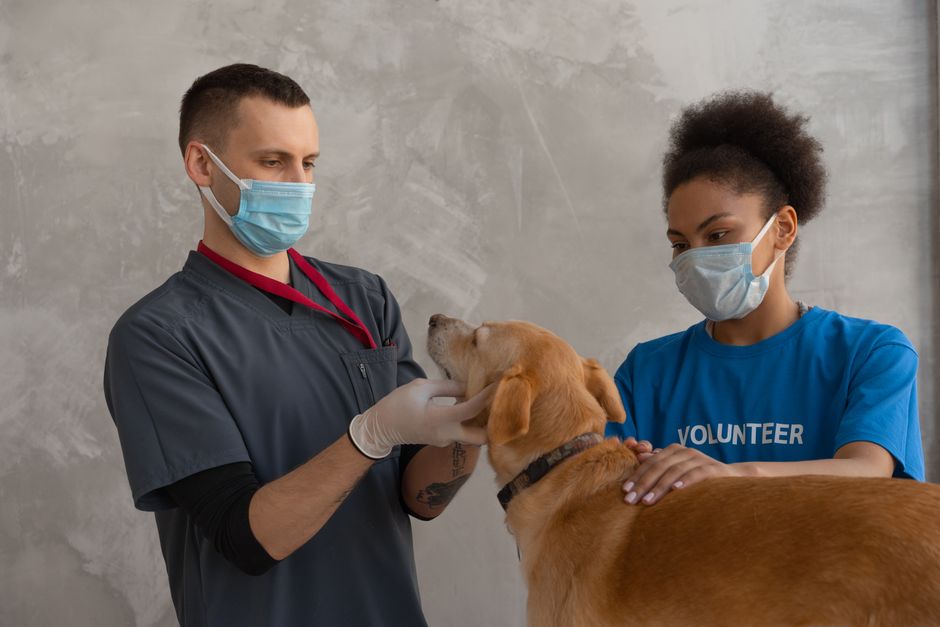
Preparing your pet for a season of outdoor fun starts with a thorough wellness check. At Mtn Green Animal Hospital, we recommend a comprehensive pet exam each spring to assess your pet’s overall health and readiness for increased activity. During this visit, our veterinary professionals will evaluate your pet’s heart, lungs, joints, and skin, as well as review their vaccination status and parasite prevention plan.
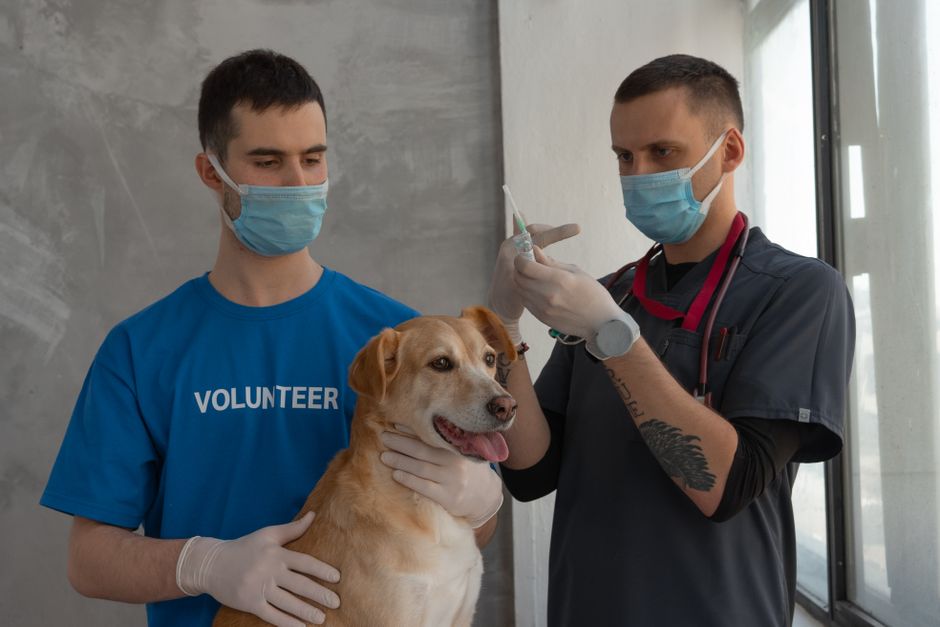
Vaccination is a cornerstone of springtime protection, especially as pets may encounter wildlife or visit areas with higher disease risk. Our vaccination services are tailored to the specific threats present in our region, including rabies, leptospirosis, and tick-borne diseases. We also discuss your pet’s unique lifestyle to recommend the most appropriate immunizations.
Parasite prevention is another critical aspect. Our team will advise on the best options for flea, tick, and heartworm protection, ensuring your pet is shielded from the parasites most common in Mountain Green, Ogden, South Ogden, Morgan County, Northern Davis, Weber, and Davis. For pets with a history of allergies, we may suggest strategies to minimize exposure to pollen or prescribe medications that reduce discomfort during high-allergen periods.
Spring is also an excellent time to assess your pet’s dental health. Dental problems can worsen with increased outdoor activity, so a visit to our dentistry services page can help you learn more about keeping your pet’s mouth healthy as they chew on sticks or grass during their outings.
Finally, for pets recovering from winter inactivity or older animals, we often recommend a gradual return to exercise to prevent injuries. Our team might suggest laser therapy or tailored care plans if your pet needs extra support adjusting to spring adventures.
Home Care Tips for a Safe Spring in the Mountains
While your Mountain Green provides vital professional care, there are several steps you can take at home to keep your pet healthy and happy during springtime. Before heading out, inspect the trails or outdoor areas for hazards like broken glass, sharp branches, or leftover salt. Make sure your pet is always wearing up-to-date ID tags and consider a microchip for added security in case they get lost during an adventure.
Hydration is especially important as temperatures rise. Bring plenty of fresh water on hikes and discourage your pet from drinking from puddles or streams, which can harbor harmful bacteria. After outdoor activities, check your pet’s coat and paws for burrs, ticks, or signs of irritation. Gently clean any small cuts or abrasions with pet-safe antiseptic and monitor for signs of infection,, such as swelling or heat around the wound.
If your pet has a thick coat, regular brushing helps prevent matting and makes it easier to spot parasites or skin issues early. For those with seasonal allergies, frequent baths with hypoallergenic shampoo can reduce pollen exposure. Keeping your pet on a consistent preventive medication schedule for fleas, ticks, and heartworm is key; consult your Mountain Green about the best products for your animal’s needs.
When planning longer outings, remember to build up your pet’s endurance gradually and be mindful of their limits. Signs that your pet may need a rest include excessive panting, lagging behind, or reluctance to continue. By combining home care with veterinary guidance, you can create a safe, enjoyable experience for your pet throughout the spring.
When to Contact Your Mountain Green for Springtime Concerns
Even with the best preparation, accidents and illnesses can happen. Knowing when to seek professional help can make all the difference in your pet’s recovery. If your pet shows signs such as persistent limping, sudden collapse, difficulty breathing, severe swelling, or an unhealed wound, it is crucial to schedule an appointment with your Mountain Green as soon as possible.
Other reasons to consult your veterinary team include ongoing vomiting or diarrhea, refusal to eat or drink, behavioral changes, or any reaction after a wildlife encounter such as a bite or scratch. In cases where you suspect poisoning from plants or chemicals, immediate veterinary attention is necessary.
For less urgent concerns, such as minor limps, mild allergies, or questions about preventive care, our team is always available to advise you on next steps and when an in-person visit is recommended. If your pet becomes ill or injured after regular hours, our after-hours emergency care ensures you have access to trustworthy medical support when you need it most.
Remember that early intervention can prevent minor issues from becoming serious health threats. Trust your instincts—if you’re ever unsure, our veterinary professionals are here to help guide your decision.
Prepare for Spring Adventures with Your Trusted Mountain Green
Spring in Mountain Green, Ogden, South Ogden, Morgan County, Northern Davis, Weber, and Davis is a time of renewal, adventure, and unforgettable moments with your pet. At Mtn Green Animal Hospital, our goal is to support you every step of the way. From personalized wellness exams to expert guidance on parasite prevention and injury care, our Mountain Green team is dedicated to helping your pet thrive outdoors.
If you’re searching for a vet near me who truly understands the unique challenges of mountain living, look no further than our compassionate veterinary professionals at 5714 W Canyon View Circle, Suite A, Mountain Green, UT 84050. Schedule an appointment by calling (801) 516-7004 or explore our preventive care services to learn more about how we can help you and your pet enjoy a safe, healthy spring. When it comes to preparing for outdoor fun, trust the expertise and caring approach of your local Mountain Green. We look forward to being your partner in every season of your pet’s life.
Medical Disclaimer: This blog is intended for informational purposes only and does not replace professional veterinary advice. If you have concerns about your pet’s health, please contact your veterinarian directly.