How a Mountain Green Protects Pets From Spring Parasites

How a Mountain Green Protects Pets From Spring Parasites
Spring in Mountain Green, Ogden, South Ogden, Morgan County, Northern Davis, Weber, and Davis is a season of renewal, but it also brings fresh challenges for pet owners. As temperatures rise and snow melts away, ticks, fleas, and other parasites become more active—posing real risks to your dog or cat’s health. At Mtn Green Animal Hospital, our Mountain Green team is committed to helping families in Mountain Green, Ogden, South Ogden, Morgan County, Northern Davis, Weber, and Davis and surrounding communities keep their pets safe and comfortable throughout this busy season. In this blog, we’ll explore why parasite prevention matters in our region, which pests to watch for, and how you can work with your veterinarian to protect your pet. Whether you’re concerned about a sudden itch, want to know which symptoms signal trouble, or simply want practical tips for prevention, you’ll find the answers here. For those looking for ongoing protection, our preventative veterinary care services can be an ideal way to get ahead of spring’s most common threats.
Recognizing Spring Parasite Risks for Pets in Mountain Green
Mountain environments, like the one we enjoy in Mountain Green, Ogden, South Ogden, Morgan County, Northern Davis, Weber, and Davis, create unique parasite pressures. As soon as daytime temperatures consistently rise above freezing, ticks begin to emerge in grassy areas, brush, and even neighborhood parks. Fleas, too, thrive in warming weather, making their way into homes on pets, people, or even wild animals passing through the yard. While many pet owners believe winter’s chill keeps parasites at bay, the reality is that spring’s rapid changes can catch families off guard.
Symptoms of a parasite problem vary depending on the pest involved. Common signs of flea infestations include excessive scratching, red or irritated skin, tiny black flecks (flea dirt) in your pet’s fur, and even hair loss in severe cases. Tick exposure may go unnoticed until you discover an actual tick on your pet, but you might also see swelling at the bite site or lethargy if a tick-borne illness develops. Other parasites, like intestinal worms, can cause changes in appetite, vomiting, scooting, or visible worms in your pet’s stool. Being alert to these changes is especially important in spring, when parasite populations spike and pets are spending more time outdoors.
Why Spring Brings an Increase in Parasite Activity
The local climate in Mountain Green, Ogden, South Ogden, Morgan County, Northern Davis, Weber, and Davis supports a variety of parasites that affect both dogs and cats. As snow melts and the ground warms, dormant insect eggs hatch and adult fleas and ticks become much more active. Wildlife, such as squirrels, rabbits, and deer, often move closer to residential areas in search of food, bringing parasites along with them. This increases the likelihood that your pet will encounter fleas or ticks during walks, hikes, or even playtime in your backyard.
Ticks are of particular concern, as our area supports species that can transmit diseases like Lyme disease, Rocky Mountain spotted fever, and ehrlichiosis. Fleas, meanwhile, multiply rapidly and can infest both pets and indoor environments, making prevention a year-round priority that becomes even more urgent in spring. Heartworm, another serious threat, is transmitted by mosquitoes—which begin to appear as soon as the weather warms. Understanding these seasonal patterns helps pet owners stay one step ahead.
How a Mountain Green Diagnoses and Treats Parasite Issues
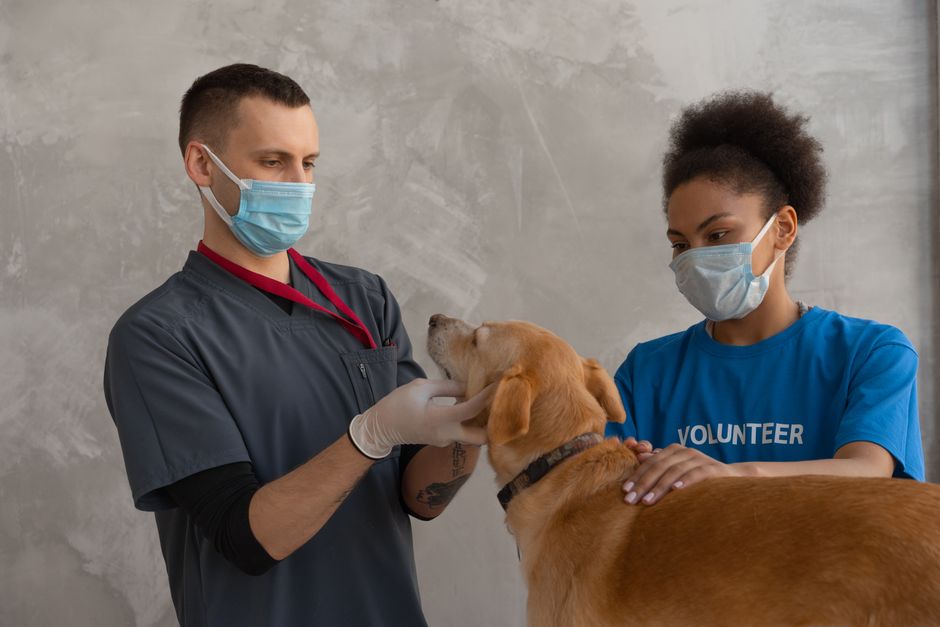
When you bring your dog or cat to Mtn Green Animal Hospital with concerns about parasites, our team of veterinarians follows a thorough diagnostic process. During a comprehensive physical exam, we’ll check your pet’s coat, skin, and ears for evidence of fleas or ticks, as well as signs of irritation or allergic reactions. If intestinal parasites are suspected, we may recommend a fecal test to detect worms or other internal pests. Heartworm screening is also a vital part of spring and annual care for both dogs and cats.
Treatment approaches vary based on the type and severity of the infestation. Flea and tick problems are often managed with prescription preventives, topical solutions, or oral medications that not only eliminate existing pests but also prevent future infestations. For intestinal worms, deworming medications are used to clear the infection and keep your pet healthy. If a tick is found attached, we’ll carefully remove it and may recommend lab tests to rule out tick-borne diseases. In more severe cases—such as a pet experiencing anemia from heavy flea infestations or complications from heartworm—supportive care or advanced treatments may be necessary. Throughout the process, we prioritize your pet’s comfort and recovery, working closely with you to explain each step.
Home Prevention: Keeping Your Pet Safe From Fleas, Ticks, and More
The best way to protect your pet from spring parasites is through a combination of veterinary care and diligent home prevention. Regular use of veterinarian-recommended flea and tick preventives is your strongest defense. These products are safe, effective, and tailored to your pet’s age, weight, and lifestyle. We recommend starting preventives before you notice pests, as many parasites are active well before you may see signs.
At home, maintaining a clean environment is key. Washing your pet’s bedding, vacuuming carpets and upholstery, and keeping your yard tidy can all help minimize flea populations. Inspect your pet’s coat after outdoor adventures, especially if you’ve been hiking or spending time in wooded or grassy areas. Pay particular attention to areas like ears, under the collar, tail base, and between toes, where ticks often hide. For heartworm prevention, annual testing and consistent use of preventive medication are essential, as even a single missed dose can put your pet at risk. For more details on seasonal parasite protection and ongoing care, our preventative veterinary care services page has helpful information.
When to See a Mountain Green for Parasite Concerns
While some mild flea or tick encounters can be managed at home, there are situations where prompt veterinary attention is critical. If your pet is scratching incessantly, experiencing hair loss, or showing signs like lethargy, pale gums, or loss of appetite, it’s time to schedule an appointment. The same applies if you notice worms in your pet’s stool, a sudden cough, unexplained weight loss, or a visible tick that you’re unable to remove safely.
Prompt diagnosis and treatment can prevent complications such as skin infections, allergic reactions, or the spread of tick-borne diseases. If you’re unsure whether your pet’s symptoms warrant a visit, our veterinary team at Mtn Green Animal Hospital is always happy to provide guidance. For urgent concerns—such as sudden weakness, collapse, or breathing difficulties—our emergency veterinary care services are available during extended hours to ensure your pet receives immediate attention.
How a Mountain Green Partners With You for Year-Round Protection
At Mtn Green Animal Hospital, we believe that prevention is the foundation of lifelong health for your pet. Our Mountain Green team works closely with families to develop customized prevention plans that reflect your pet’s unique risks, lifestyle, and health history. During your annual wellness exams, we review your current parasite preventives, discuss recent changes in your pet’s routine, and address emerging regional risks.
We also offer annual heartworm screening and guidance on vaccination schedules that can help protect against vector-borne diseases. For those seeking extra peace of mind, our subscription-based pet wellness plans provide convenient, bundled access to essential preventive services throughout the year. By building a trusted partnership with your local veterinarian, you can enjoy the beauty of spring in Mountain Green, Ogden, South Ogden, Morgan County, Northern Davis, Weber, and Davis with confidence, knowing your pet is protected.
Take Action: Keep Your Pet Safe This Spring With a Mountain Green
As spring unfolds in Mountain Green, Ogden, South Ogden, Morgan County, Northern Davis, Weber, and Davis, the risks posed by fleas, ticks, and other parasites become a reality for families and their pets. Early prevention, prompt recognition of symptoms, and a partnership with a trusted Mountain Green are the keys to keeping your dog or cat healthy through the season and beyond. If you notice signs of parasites, have questions about prevention, or want to schedule a comprehensive checkup, the veterinary professionals at Mtn Green Animal Hospital are here to help.
To schedule an appointment for parasite prevention or to discuss any concerns, call us at (801) 516-7004 or visit our practice at 5714 W Canyon View Circle, Suite A, Mountain Green, UT 84050. When searching for a vet near me, remember that our veterinary team is dedicated to providing comprehensive, compassionate care for your pet. Learn more about our preventative veterinary care services or emergency veterinary care, and let us help your pet thrive this spring and all year long.
This blog is intended for educational purposes only and should not replace professional veterinary advice. If you have specific concerns about your pet’s health, always consult your veterinarian.