How Rainy March Impacts Pets in Mountain Green
How Rainy March Impacts Pets in Mountain Green
March brings a unique blend of wet weather and lingering snow to Mountain Green, creating a set of challenges for local pets and their families. At Mtn Green Animal Hospital, we know how much you care about keeping your pets healthy and comfortable, especially when unpredictable weather rolls in. From muddy paws and slippery sidewalks to respiratory concerns and seasonal allergies, March in Mountain Green can impact your pet’s wellbeing in ways you might not expect. Our veterinary team is here to guide you through these seasonal changes, providing practical tips and expert advice for managing your pet’s health during the wettest months of the year.
In this blog, we’ll explore how March weather affects pets in our region, what signs to watch for, and how you can protect your furry companions. Whether you’re dealing with muddy trails, lingering ice, or increased moisture in your home, you’ll learn how to spot potential issues early and when to schedule an appointment with our caring veterinary professionals. We’ll also share resources about preventative care services that can help your pet stay healthy year-round. At Mtn Green Animal Hospital, located at 5714 W Canyon View Circle, Suite A, Mountain Green, UT 84050, our goal is to partner with you through every season, ensuring your pet’s comfort and wellbeing.
Recognizing How March Weather Affects Your Pet
Spring in Mountain Green, Ogden, South Ogden, Morgan County, Northern Davis, Weber, and Davis is known for rain showers, melting snow, and fluctuating temperatures. These conditions can present several health and comfort challenges for pets, especially those who spend time outdoors. As a pet owner, it’s helpful to recognize the signs that your pet may be struggling with the effects of wet, chilly weather.
You might notice that your dog or cat is reluctant to go outside, or they could be returning indoors with muddy, damp fur that never seems to dry. Symptoms related to the season include persistent licking or chewing of paws, sneezing or coughing, signs of joint discomfort after outdoor play, or even skin irritation from dampness. In cats, watch for changes in litter box habits if they dislike getting their paws wet or if the increased indoor humidity is causing respiratory flare-ups. Dogs may also slip on icy patches masked by rain or develop paw pad injuries from rough, thawing surfaces.
Additionally, the transition from snow to rain can increase exposure to environmental allergens and parasites like fleas and ticks, which become more active as the weather warms. Recognizing these symptoms early helps ensure that your pet remains comfortable and avoids more serious health problems as March progresses.
Why Wet March Weather Causes Issues for Pets
Understanding the root causes of these seasonal challenges can help you stay one step ahead. In Mountain Green, Ogden, South Ogden, Morgan County, Northern Davis, Weber, and Davis, March’s combination of rain and melting snow leads to muddy conditions, puddles, and damp ground that can quickly affect a pet’s skin and overall comfort. Wet fur and muddy paws create the perfect environment for bacteria and yeast to thrive, potentially leading to skin infections or hot spots, especially in areas that don’t dry quickly.
Pets with longer coats may experience matting when their fur gets wet and is not thoroughly dried, while short-haired breeds are more susceptible to the chilling effects of dampness. For senior pets or those with arthritis, cold and wet weather can exacerbate joint stiffness and discomfort, making them less eager to move around or exercise. The increase in moisture also raises the risk of molds and environmental allergens circulating indoors, which can trigger respiratory symptoms in sensitive pets.
Parasites are another concern as the ground thaws and rain creates standing water, making it easier for fleas, ticks, and even intestinal parasites to survive and multiply. Additionally, muddy conditions may lead dogs and curious cats to drink from puddles, which can expose them to harmful bacteria or chemicals washed off roads and walkways.
Professional Treatment and Management for Wet Weather Concerns
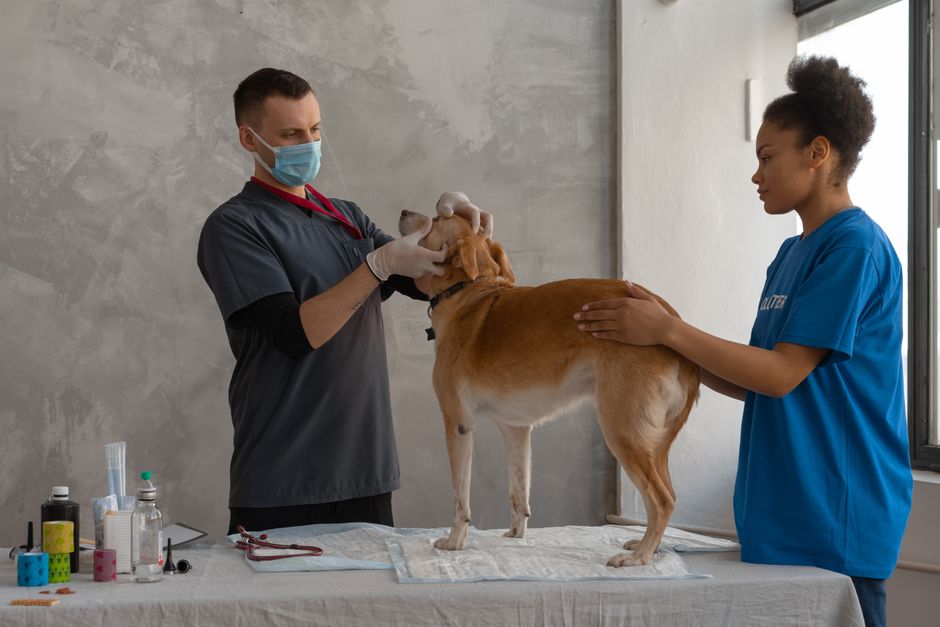
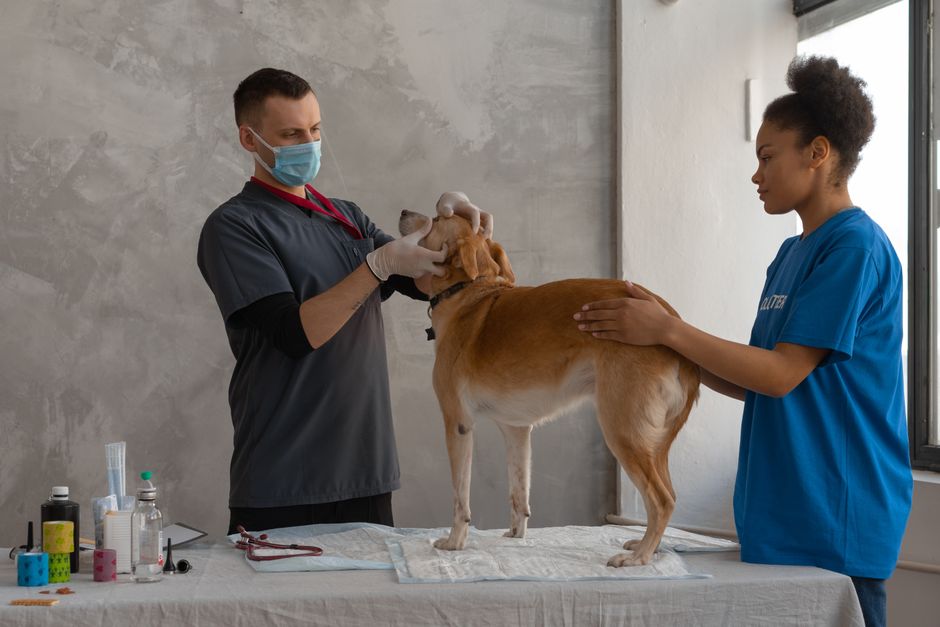
If your pet is experiencing health issues related to March’s wet weather, our veterinary team at Mtn Green Animal Hospital is ready to help. Treatment options depend on the specific problem your pet faces but usually begin with a thorough comprehensive physical exam to assess their skin, joints, respiratory health, and overall condition.
Common treatments involve topical or oral medications to address skin infections, anti-inflammatory medications for joint discomfort, and recommendations for grooming or coat care to prevent matting or irritation. If respiratory symptoms such as persistent coughing or sneezing are present, we may suggest diagnostic imaging like veterinary X-rays or laboratory testing to rule out infections or allergies.
Our veterinarians also provide guidance on parasite prevention, including safe and effective preventatives to keep fleas, ticks, and other pests at bay. In cases where your pet is struggling with mobility due to the cold, we can discuss options such as pain management, physical therapy, or laser therapy to enhance comfort and mobility during the damp season. For pets with chronic respiratory or allergy issues, we work closely with you to create a management plan that may involve environmental modifications and tailored medications.
Home Care and Prevention Tips for March Weather
There are several steps you can take at home to help your pet stay healthy and comfortable throughout Mountain Green’s rainy March. Begin by thoroughly drying your pet’s paws and fur after outdoor activities, using a clean towel to remove moisture and mud. Pay special attention to the spaces between their toes and under their belly, as these areas are prone to irritation and infection if left damp.
Consider setting up a designated area inside your home for cleaning up after walks, complete with towels and paw-safe cleaning products. If your dog or cat has a long or thick coat, regular grooming helps prevent matting and allows you to spot any skin issues early. Keep your home clean and dry by using mats at entryways and running a dehumidifier if necessary to reduce mold and allergen buildup.
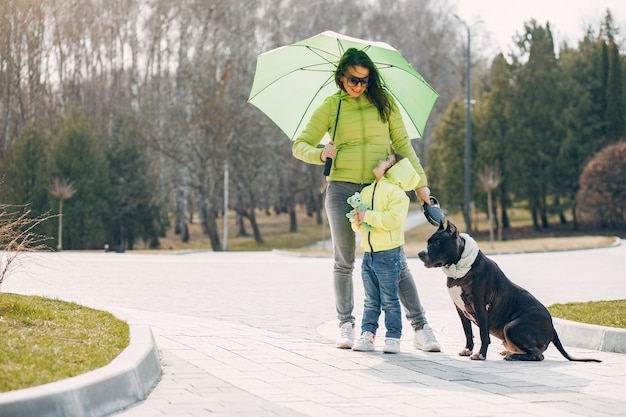
Monitor your pet’s outdoor time carefully, especially after heavy rain or thawing snow, to minimize slips and paw injuries. Providing a waterproof jacket or boots for dogs who tolerate them can also keep them comfortable during wet walks. For senior pets or those with joint issues, ensure they have a warm, dry place to rest and avoid prolonged exposure to cold, damp surfaces.
Stay current on parasite prevention, as fleas and ticks become more active with the warming weather. Your veterinarian can recommend the best products for your pet’s needs. Finally, maintaining regular preventative care services and wellness visits ensures your pet’s health is monitored even as the seasons change.
When to Seek Veterinary Care for Wet Weather-Related Issues
It’s important to know when home care isn’t enough and professional help is needed. If you notice your pet persistently licking or chewing at their paws, developing red or swollen skin, or showing signs of pain when walking, these may be signs of a developing infection or injury that requires veterinary attention. Respiratory symptoms such as ongoing coughing, sneezing, difficulty breathing, or nasal discharge should always be evaluated by a veterinarian, as these can quickly worsen in damp conditions.
If your pet seems unusually lethargic, refuses to eat, or displays sudden changes in behavior, it’s best to schedule an appointment for a thorough assessment. Parasite infestations, such as signs of scratching, visible ticks, or flea dirt, also merit a visit to the clinic for prompt treatment and prevention guidance. In cases of acute injury, such as a slip or fall on wet ground, or if your pet has ingested water from puddles and is now vomiting or having diarrhea, contact your veterinarian immediately.
Our team at Mtn Green Animal Hospital is committed to helping you navigate these seasonal challenges. If you are ever uncertain about your pet’s symptoms, reaching out for advice ensures prompt care and peace of mind.
Keeping Your Pet Healthy All March Long: Schedule Your Visit
As the weather shifts in Mountain Green, Ogden, South Ogden, Morgan County, Northern Davis, Weber, and Davis and surrounding communities, keeping your pet safe and comfortable requires a proactive approach. By understanding how rainy March conditions can impact your pet’s health, and taking steps to prevent common issues, you can enjoy the season together with confidence. Remember, regular comprehensive physical exams and up-to-date preventative care services are essential for catching potential problems early and ensuring your furry companion stays healthy year-round.
If you notice any signs of discomfort, skin issues, or respiratory symptoms, or if you simply want advice tailored to your pet’s unique needs, our veterinary professionals are here to help. Schedule an appointment with our team at 5714 W Canyon View Circle, Suite A, Mountain Green, UT 84050 by calling (801) 516-7004. When searching for a veterinarian near me, you can trust Mtn Green Animal Hospital to provide compassionate, expert care through every season. We look forward to supporting you and your pets as you navigate March’s unpredictable weather together.
This article is intended for informational purposes only and does not replace professional veterinary advice. Always consult your veterinarian if you have concerns about your pet’s health.