How to Keep Pets Safe During Mountain Green Adventures
How to Keep Pets Safe During Mountain Green Adventures
Mountain Green and the surrounding communities offer wonderful opportunities for outdoor adventures with your dog or cat, especially as June brings longer days and warmer weather. Whether you are planning a family hike along local trails, a picnic by the water, or simply want to enjoy some sunshine in your backyard, keeping your pet safe is always a top priority. At Mtn Green Animal Hospital, located at 5714 W Canyon View Circle, Suite A, Mountain Green, UT 84050, our team of veterinarians is passionate about helping pet owners create positive, healthy experiences for their animals—both indoors and out. This blog will cover essential safety tips for enjoying the great outdoors with your pets, including first aid basics, what to pack, common hazards to watch for, and guidance on when to seek veterinary care. With a little preparation, you and your pet can make the most of every Mountain Green adventure.
Recognizing Outdoor Risks: How to Tell When Your Pet Needs Extra Protection
Before heading outside, it’s important to understand when your pet might be at risk. The natural curiosity of dogs and even some adventurous cats means that outdoor fun can quickly become dangerous if hazards are overlooked. Signs that your pet might be in trouble on a hike or adventure include sudden limping, panting excessively, whimpering, or refusing to move. Other red flags are vomiting, drooling, or seeming disoriented—especially after exposure to heat or unfamiliar plants. If your pet is licking at their paws, shaking their head, or constantly scratching, they may have encountered a thorn, insect, or allergen. In Mountain Green’s varied terrain, everything from sharp rocks and foxtails to ticks and snakes can be a concern. Knowing your pet’s normal behavior helps you quickly spot when something is wrong during your outing.
Why Do Outdoor Pet Emergencies Happen? Common Causes in Mountain Green
Mountain Green’s beautiful landscape comes with unique challenges for pet safety. Many pet emergencies during outdoor adventures stem from environmental factors we may not expect. Heatstroke is a major concern in summer, even on days that feel only moderately warm. Pets can overheat much faster than people, especially breeds with thick coats or short snouts. Sharp rocks and uneven trails can cause paw injuries or sprains. Water sources like lakes and rivers may seem inviting but can harbor bacteria, parasites, or pose a drowning risk if pets venture too far. Additionally, encounters with wildlife—including snakes, porcupines, or aggressive insects—are not uncommon in our area, and pets often investigate with their noses first. Plants such as foxtails, stinging nettle, or toxic mushrooms can also cause problems, leading to everything from mild skin irritation to serious internal complications. Even well-trained pets may get startled and run off, so keeping a close eye on their location is key.
What to Do if Your Pet Gets Hurt: Treatment and First Aid Tips
If your pet experiences an injury or emergency while enjoying the outdoors, quick thinking and a calm response can make all the difference. For minor cuts or scrapes, rinsing the area with clean water and gently patting it dry may help prevent infection. If a thorn or foxtail is visible, you can try to carefully remove it with tweezers, but stop if your pet seems distressed or if the object is deeply embedded. Should your pet develop a limp, swelling, or an open wound, it is important to keep them as still as possible and avoid further movement. Heatstroke requires immediate action; symptoms include heavy panting, drooling, weakness, vomiting, or collapse. Move your pet to a shaded area, offer small sips of cool (not cold) water, and use a damp cloth to gently cool their body, paying special attention to the paws and belly. Never force water if your pet is vomiting or unable to swallow. In cases of snakebite, insect stings near the mouth or eyes, or if your pet appears very ill, seek emergency veterinary care right away. We encourage pet owners to familiarize themselves with emergency veterinary care options in Mountain Green so you know where to turn if an accident happens.
Preparing for Adventure: Prevention and At-Home Safety Steps
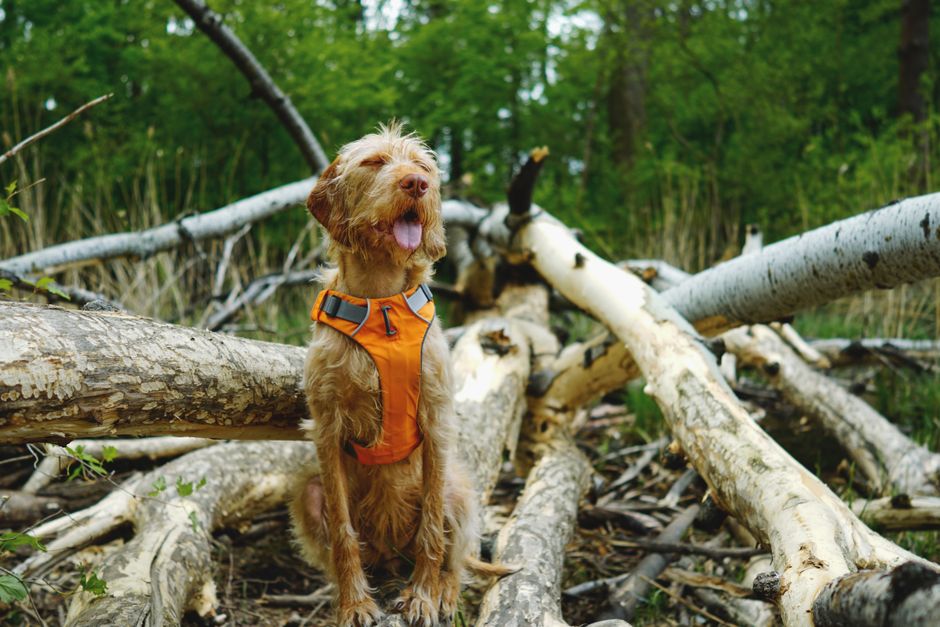
A little preparation goes a long way in keeping your dog or cat safe outdoors. Before setting out, make sure your pet’s identification tags and microchip information are current in case you become separated. Pack a pet-friendly first aid kit with items such as clean gauze, tweezers, saline solution, and a copy of your veterinarian’s contact information. For longer hikes, bring enough water and a collapsible bowl so your pet doesn’t drink from streams or ponds, which can contain harmful bacteria. In Mountain Green, sunscreen formulated for pets and insect repellent (never products made for humans) are smart additions, especially for light-colored or thin-coated animals. Keeping your dog on a leash or your cat in a secure harness helps prevent unwanted wildlife encounters and ensures they stay close. Regular preventative care is essential; keeping your pet up-to-date on vaccinations and parasite control greatly reduces their risk of illness from ticks, mosquitoes, or other wildlife. Our preventative care services are designed to help you protect your pet year-round, including during the busy summer months.
When to Seek Veterinary Care: Knowing What’s Urgent
While many outdoor mishaps can be managed at home, certain situations require prompt veterinary attention. You should contact your veterinarian immediately if your pet is bitten by a snake, shows signs of heatstroke that don’t resolve quickly, or experiences severe bleeding, difficulty breathing, or sudden collapse. Other urgent signs include persistent vomiting or diarrhea after being outdoors, swelling of the face or throat, or any wound involving the eyes. If your pet ingests an unknown plant, mushroom, or chemical, call your veterinarian or a pet poison helpline for immediate advice. Sometimes, a pet may seem “off” after an outing—if your dog or cat is unusually lethargic, refusing food, or has trouble walking, it’s always better to be safe and schedule an appointment. Our veterinary team provides sick and urgent care services and is here to answer your questions whenever you’re unsure about your pet’s health.
Creating Safe and Happy Memories: The Role of Preventative Veterinary Care
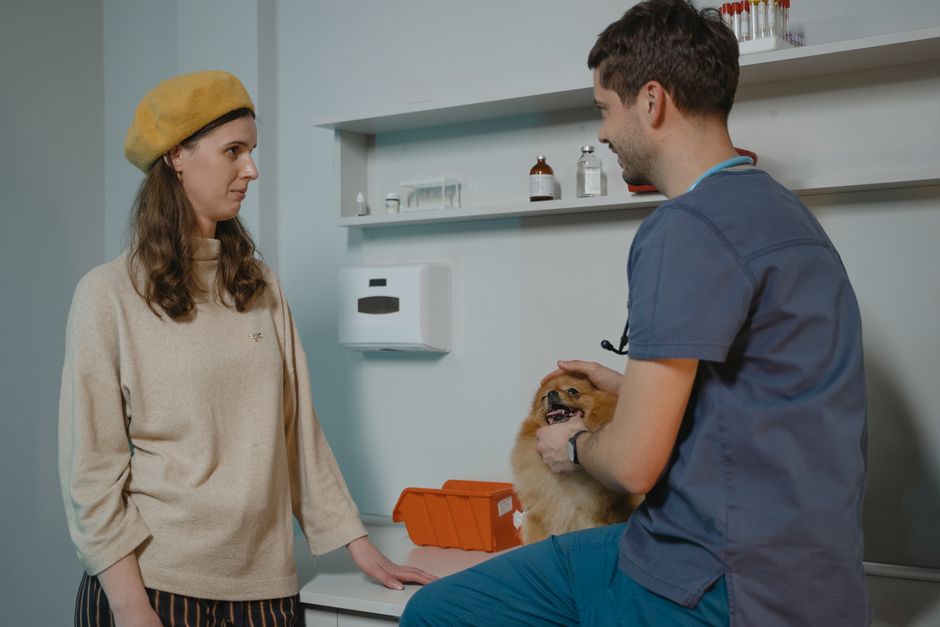
One of the best ways to ensure your Mountain Green adventures are safe and worry-free is to maintain regular veterinary checkups. Comprehensive physical exams allow our team to catch any subtle changes in your pet’s health that might make outdoor activities riskier, such as heart conditions, arthritis, or declining vision. Wellness visits are an ideal time to discuss your plans for summer hiking, traveling, or water play, and to make sure your pet is protected against local parasites or infectious diseases. If you have questions about what activities are appropriate for your pet’s age, breed, or medical status, our team can help you plan accordingly. To learn more about what to expect during a comprehensive physical exam, visit our website or call for details.
Your Next Adventure Starts Here: Local Veterinary Support for Mountain Green Pets
Mountain Green is a wonderful place to explore with your dog or cat, and with the right preparation, every adventure can be both safe and fun. Remember, our veterinary team at 5714 W Canyon View Circle, Suite A, Mountain Green, UT 84050 is committed to supporting you and your pet throughout every season. If you ever find yourself searching for a “veterinarian near me” after an unexpected incident or simply want to ensure your pet is ready for outdoor adventures, we are here to help. Schedule a visit with our veterinarians today by calling (801) 516-7004 or use our online appointment request. For more information about urgent care, preventative services, or pet safety FAQs, explore our website or reach out to our friendly team. Here’s to safe, happy adventures for you and your pet all summer long!