How to Prevent Dog and Cat Heatstroke in Mountain Green
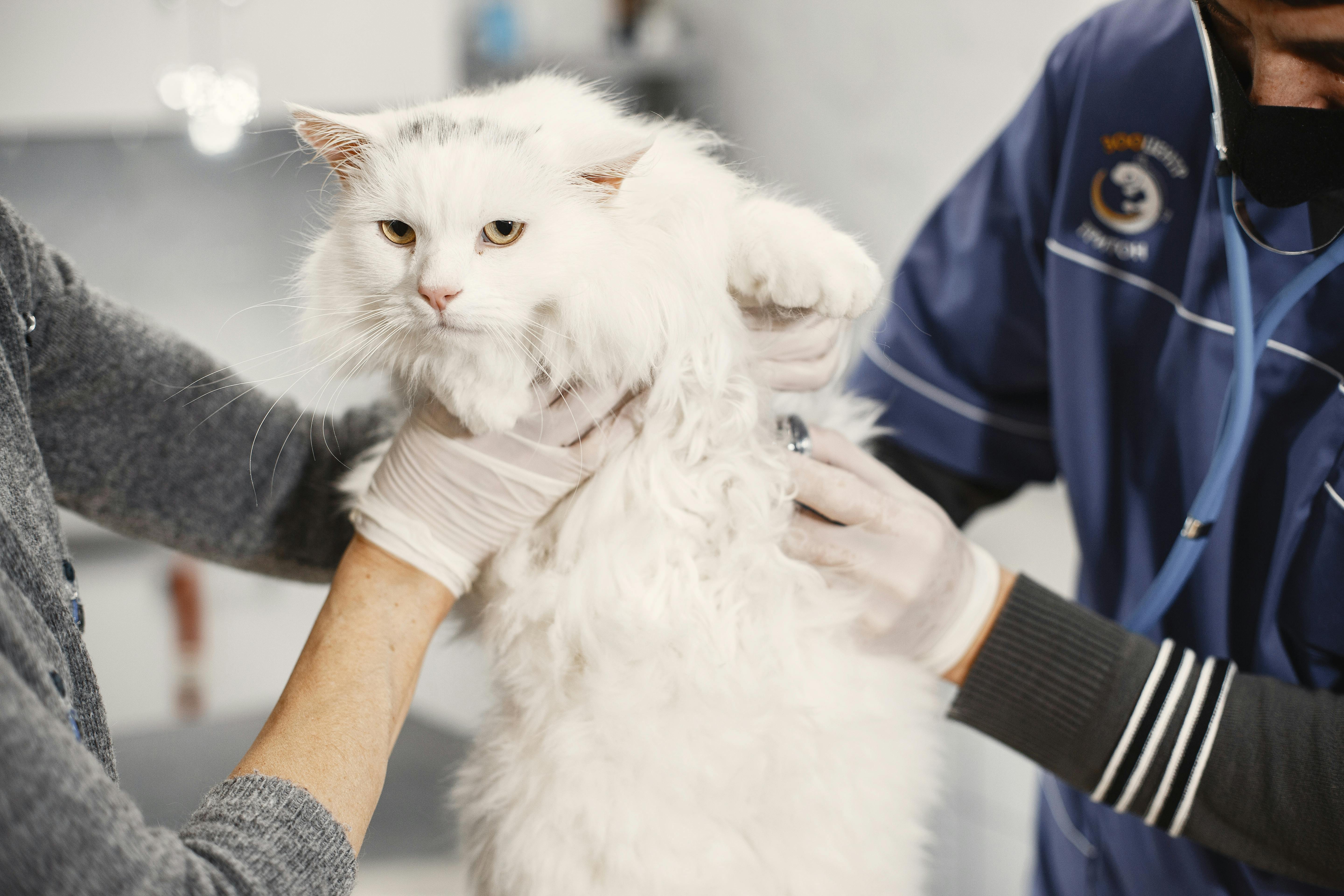
How to Prevent Dog and Cat Heatstroke in Mountain Green
As spring arrives in Mountain Green and temperatures begin to rise, many pet owners find themselves worrying about how to keep their dogs and cats safe from the dangers of heatstroke. The shift from cooler weather to sudden warm spells can catch both pets and their families off guard, increasing the risk of overheating during outdoor walks, playtime, or even while relaxing at home. At Mtn Green Animal Hospital, located at 5714 W Canyon View Circle, Suite A, Mountain Green, UT 84050, our veterinary team is dedicated to helping you protect your four-legged companions during every season, but especially as spring heat waves become more common. In this guide, we will cover the most important warning signs of heatstroke in dogs and cats, why pets are particularly vulnerable during Utah’s spring and summer months, how our team can help if your pet is showing signs of overheating, and the steps you can take at home to prevent a dangerous situation. If you ever have concerns about your pet’s health as temperatures climb, our veterinarians are here to provide preventative care, urgent evaluations, and emergency support whenever you need us.
Recognizing the Signs of Heatstroke in Dogs and Cats
Understanding how to spot heatstroke early can make a life-saving difference for your dog or cat. Unlike people, pets cannot sweat through their skin and rely mostly on panting to regulate their body temperature. This makes them particularly susceptible to overheating, especially in the dry, high-altitude climate of Mountain Green. Some of the most common symptoms of heatstroke in pets include excessive panting, drooling, and restlessness. You may also notice your pet seeking shade, lying down more often, or appearing weak and uncoordinated. Other warning signs to watch for are vomiting, diarrhea, bright red or pale gums, and, in severe cases, collapse or seizures. Cats tend to hide their symptoms, so pay close attention if your feline friend is breathing rapidly, drooling, or appears unusually lethargic after spending time near sunny windows or outside.
The risk of missing these early red flags is higher when pets are left alone outdoors, so it is important to stay vigilant during peak heat hours, especially in late spring and throughout summer. If you notice any of these symptoms, it is crucial to act quickly and seek guidance from your veterinary team to prevent further complications.
Why Are Pets in Mountain Green at Risk for Heatstroke?
Spring and early summer in Mountain Green often bring rapid temperature swings, with chilly mornings giving way to unexpectedly hot afternoons. Dogs and cats, especially those with thick coats, flat faces (like Bulldogs, Pugs, or Persians), older pets, and animals with underlying health conditions, face a higher risk of heat exhaustion and heatstroke during these periods. The thin mountain air and higher elevation can also make it harder for pets to dissipate heat efficiently, increasing the danger during even moderate outdoor activity.
Environmental factors such as limited shade, lack of fresh water, or confinement in poorly ventilated areas (like parked cars or garages) further increase the risk. It is important to remember that heatstroke can happen quickly, sometimes within minutes, if a pet is left in a hot car or exercised too strenuously in the midday sun. Even indoor pets are not immune; sunbeams streaming through windows can create local hotspots where cats and small dogs may overheat without realizing it. Recognizing these risk factors allows you to make safer choices for your pet as weather patterns change in the Mountain Green area.
How Our Veterinary Team Treats Heatstroke in Dogs and Cats
If you suspect your pet is experiencing heatstroke, immediate veterinary attention is vital. At Mtn Green Animal Hospital, our veterinarians are trained to provide rapid, compassionate care for overheating pets. Treatment approaches involve first stabilizing your dog or cat by lowering their body temperature in a controlled manner. This may include applying cool (not cold) water to your pet’s fur, using fans, or administering intravenous fluids to combat dehydration and support organ function. Our team will also monitor your pet’s heart rate, breathing, and internal temperature, and may recommend bloodwork or other diagnostics to assess for complications such as kidney damage or clotting problems.
In more severe cases, pets may require hospitalization for ongoing monitoring, oxygen therapy, and medications to reduce inflammation or address organ stress. The prognosis improves significantly with early intervention, which is why prompt action is so important. Our experienced team is here to answer your questions and guide you through every step of the recovery process if your pet has suffered from heatstroke. For more information on what to expect during a comprehensive physical exam after a heat-related emergency, our website provides additional details.
Preventing Heatstroke: Practical Tips for Pet Owners
The best way to protect your dog or cat from heatstroke is through prevention and proactive care. Always provide fresh, cool water for your pets, both indoors and outdoors, and ensure they have access to shaded areas whenever they are outside. Walk dogs during the cooler parts of the day, such as early morning or late evening, and avoid strenuous play or exercise when temperatures are high. For cats, keep blinds or curtains closed on sunny windows during the hottest hours, and consider moving cozy beds away from direct sunlight.
Never leave your pet in a parked car, even for a few minutes, as temperatures inside can rise rapidly to dangerous levels. For pets with thick fur or flat faces, take extra precautions and monitor them closely during warm weather outings. Grooming your pet regularly to remove excess undercoat can also help them stay cool. If you need guidance on seasonal pet care, our preventative care page offers additional advice tailored to Mountain Green’s climate.
Acclimating your pet gradually to warmer temperatures is another important step. If your pet has been indoors during the winter, introduce them to outdoor walks and playtime slowly as spring arrives. Watch for signs of fatigue or overheating, and always bring water on hikes or trips to local parks. By staying attentive to your pet’s needs, you can greatly reduce the risk of heat-related emergencies.
When to Seek Veterinary Care for Heatstroke
If your pet shows any signs of heatstroke, such as excessive panting, drooling, weakness, vomiting, or collapse, do not wait to see if symptoms improve on their own. Begin cooling your pet with cool water and fans and contact your veterinary team immediately. Time is critical; the sooner your pet receives professional care, the better their chances for a full recovery. At Mtn Green Animal Hospital, our veterinarians provide urgent and emergency support for pets experiencing heat-related illness during regular business hours and after-hours emergencies.
If you are unsure whether your dog or cat needs immediate care, err on the side of caution and call our team at (801) 516-7004. We can help you determine the next steps and arrange for prompt evaluation if needed. For additional guidance on what to do in urgent situations, visit our emergency veterinary care page or learn about our after-hours emergency services, available for Mountain Green and surrounding communities.
Keeping Your Pets Safe All Summer Long
As temperatures rise in Mountain Green, taking a few extra precautions can help your dog or cat enjoy a happy, healthy spring and summer. Recognizing the early signs of heatstroke, understanding the specific risks our region presents, and knowing when to seek veterinary help are all key components of responsible pet ownership. If you ever have doubts or need advice, our team of veterinarians at Mtn Green Animal Hospital is just a phone call or visit away.
To schedule a wellness examination or discuss a summer safety plan for your pet, reach out to us at (801) 516-7004 or come by our Mountain Green location. When searching for a vet near me, remember that local experience and a compassionate approach make all the difference. Whether you need routine preventive care or urgent support, our veterinary professionals are here to help your pets thrive, no matter how hot it gets this season.
This article is for informational purposes only and should not replace professional veterinary care. If your pet is experiencing symptoms of heatstroke, contact your veterinarian immediately for personalized advice and treatment.