How to Protect Pets From Springtime Allergies in Mountain Green
How to Protect Pets From Springtime Allergies in Mountain Green
Spring in Mountain Green is a time of renewal, but for many dogs and cats, it can also bring a wave of frustrating allergy symptoms. If you have noticed your pet scratching more than usual, licking their paws, or sneezing as the weather warms up, you are not alone. Seasonal allergies are a common concern for pet owners in our region, thanks to the unique mix of pollen, grasses, and environmental allergens that emerge each spring. At Mtn Green Animal Hospital, conveniently located at 5714 W Canyon View Circle, Suite A, Mountain Green, UT 84050, our veterinary team is dedicated to helping you keep your four-legged family members comfortable and healthy through every season. In this blog, we will explore how Mountain Green’s spring weather impacts pet allergies, highlight the most common signs to watch for, and share practical tips to protect your pet. We will also guide you on when it is time to schedule an appointment with our team of veterinarians, ensuring your pet always receives the best possible care.
Recognizing Springtime Allergy Symptoms in Pets
Spring allergies can affect both dogs and cats, and the signs are not always as obvious as a runny nose. Many pets express their discomfort through their skin and behavior. Key symptoms to watch for include persistent itching, redness or irritation of the skin, frequent licking or chewing of the paws, and noticeable hair loss or bald spots. Some pets may also develop watery eyes, frequent sneezing, or even chronic ear infections during the allergy season. If your dog seems to be scratching more after walks around Mountain Green or your cat is grooming excessively since the weather warmed up, these could be clues that seasonal allergies are at play. Additionally, if you notice small scabs, hot spots, or a musty odor from your pet’s skin, it may be time to take a closer look at their overall health. For many owners, these changes can appear suddenly as local plants, grasses, and trees begin to pollinate.
What Causes Spring Allergies in Mountain Green’s Dogs and Cats?
Understanding what triggers spring allergies in pets can help you stay proactive. In Mountain Green and the surrounding communities, spring brings a surge of pollen from trees like cottonwood, elm, and juniper, as well as grasses and weeds that flourish in the region. These airborne particles often settle on your pet’s coat or are inhaled during outdoor activities. Additionally, mold spores thrive in damp spring conditions, and household dust mites become more active as homes are aired out after winter. Pets can also develop allergies to environmental substances such as fertilizers, cleaning products, or even new bedding introduced during spring cleaning. Dogs and cats with a family history of allergies, or those prone to sensitive skin, may be especially susceptible. The unique climate of Mountain Green, with its blend of dry, windy days and sudden bursts of rain, can make spring allergy flare-ups more common and sometimes more severe.
How Our Veterinary Team Diagnoses and Treats Pet Allergies
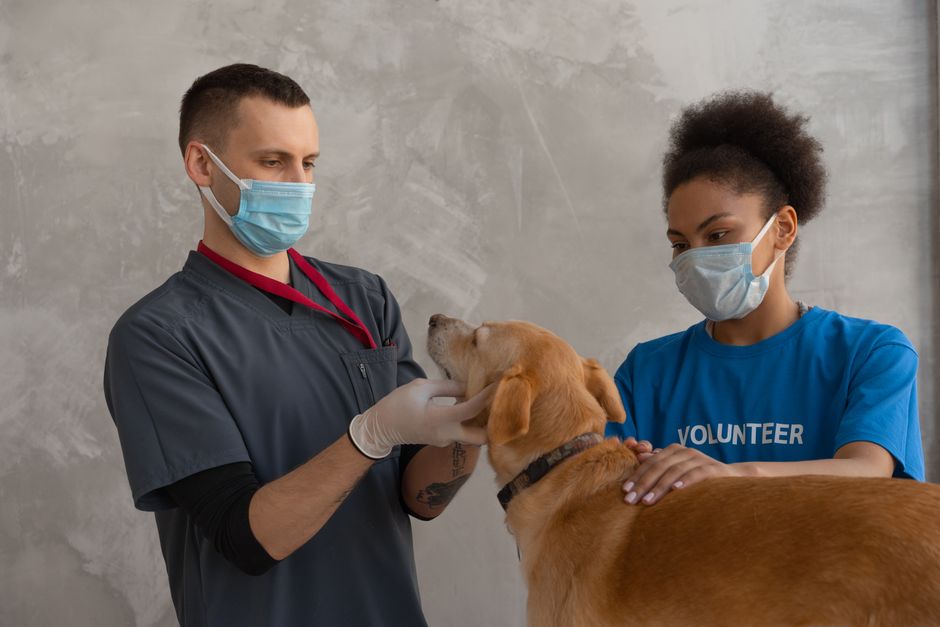
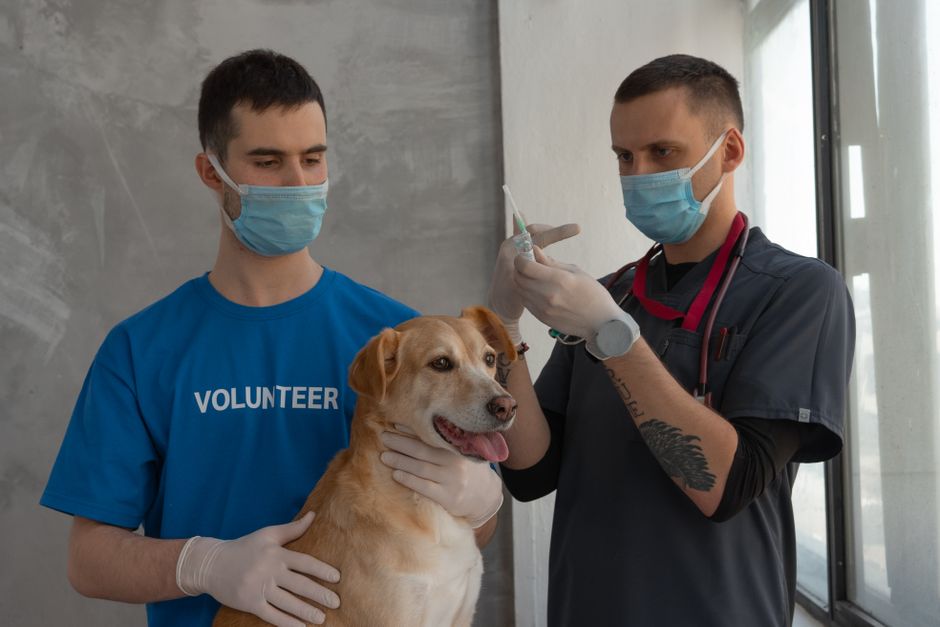
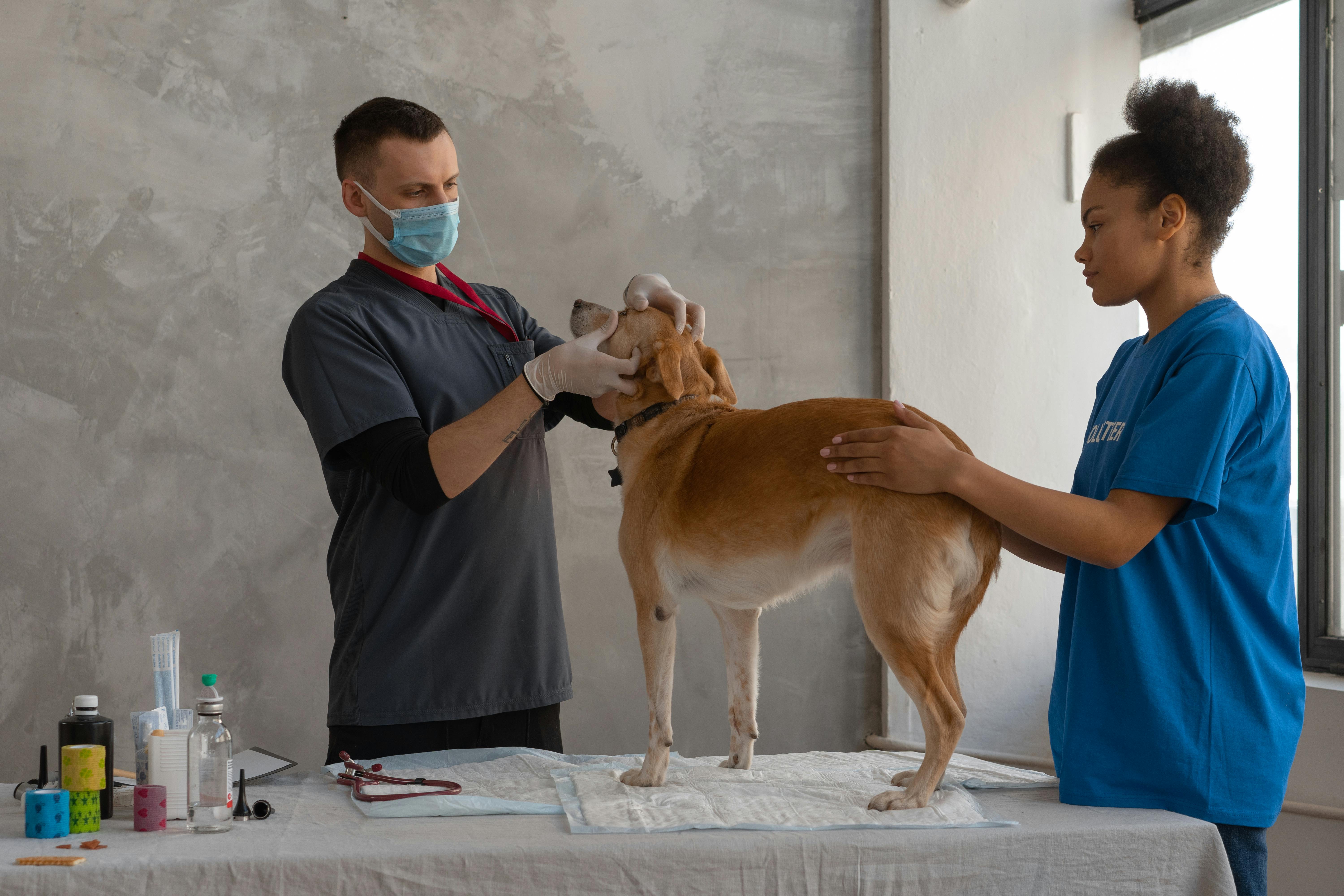
If your pet’s allergy symptoms are persistent or worsening, a visit with our veterinary professionals is the best next step. At Mtn Green Animal Hospital, we start with a comprehensive physical exam to rule out other causes of itching, such as parasites or skin infections. During this evaluation, our veterinarians will ask about recent changes in your pet’s environment, diet, and activity level. Diagnostic tools may include skin scrapings, cytology, or allergy testing to identify specific triggers. Once allergies are confirmed, treatment options are tailored to your pet’s unique needs. Our approach often involves a combination of soothing medicated baths, prescription anti-itch medications, and topical therapies to relieve discomfort. In some cases, we may recommend allergy shots (immunotherapy) or oral medications to control the immune response. Managing secondary infections, such as those caused by excess scratching, is also essential to help your pet heal. If you are interested in learning more about what a comprehensive physical exam involves, our team is happy to provide details and answer your questions.
Home Care and Prevention Tips for Springtime Allergies
While professional veterinary care is the cornerstone of allergy management, there are several steps you can take at home to minimize your pet’s exposure to spring allergens. Regularly wiping down your pet’s coat and paws after outdoor walks helps remove pollen and prevent it from being tracked inside. Bathing your dog with a gentle, hypoallergenic shampoo can soothe irritated skin and wash away allergens. For cats, frequent brushing and wiping with a damp cloth can be helpful, especially if they spend time on screened-in porches or near open windows. Keeping windows closed during peak pollen hours and using air purifiers may reduce airborne allergens indoors. Washing your pet’s bedding and toys in hot water once a week, vacuuming carpets and upholstery frequently, and avoiding the use of heavily scented cleaning products can also make a difference. If your pet’s allergy symptoms seem to worsen after being outside, consider limiting outdoor time during high pollen days or after mowing the lawn. Additionally, feeding a balanced diet and maintaining routine wellness care will support your pet’s immune system through the allergy season. Our preventative care resources, including preventative care services for pets, can help you stay ahead of seasonal challenges and keep your pet thriving.
When to Seek Veterinary Care for Allergies
It is natural to want to help your pet feel better at home, but there are times when professional intervention is necessary. If your pet’s itching is severe, if you notice open sores, hair loss, or signs of infection such as redness, swelling, or a bad odor, do not delay in reaching out to our veterinary team. Chronic ear infections, persistent coughing, or changes in appetite may also signal that allergies are affecting your pet’s overall health. In some cases, untreated allergies can lead to more serious complications, such as skin infections or chronic inflammation. Pets that are not responding to home care or are experiencing significant discomfort should be evaluated by a veterinarian as soon as possible. At Mtn Green Animal Hospital, we offer both routine and sick and urgent care veterinary services for pets, ensuring that your pet can get the help they need when allergy symptoms become overwhelming. Remember that early intervention can prevent more serious problems and help your pet return to their happy, healthy self.
Supporting Your Pet’s Health All Year Long
Spring allergies are a common concern in Mountain Green, but with the right support, your pet can enjoy the season in comfort. By recognizing the signs of allergies, understanding local triggers, and working closely with our veterinarians, you are giving your dog or cat the best chance at a healthy, itch-free spring. If you have questions about your pet’s symptoms or want to discuss prevention options, the compassionate team at Mtn Green Animal Hospital is here for you. Scheduling a wellness examination or discussing a personalized care plan is as simple as calling (801) 516-7004 or visiting our Mountain Green location. When searching for a vet near me, trust our veterinarians to deliver expert care with a neighborly touch. Together, let us make this spring a season of comfort and joy for your furry family members.
This article is intended for informational purposes only and does not replace professional veterinary advice. Always consult with your veterinarian for specific concerns or before starting any new treatment for your pet.