June Pet Parasite Prevention Tips for Mountain Green
June Pet Parasite Prevention Tips for Mountain Green
As the days grow warmer and Mountain Green comes alive with summer activity, pet owners face a renewed challenge: keeping dogs and cats protected from parasites that thrive in our local climate. Fleas, ticks, and heartworms are more than just seasonal nuisances; they can threaten your pet’s comfort, health, and even their life. At Mtn Green Animal Hospital, our veterinary team understands how important it is for families in Mountain Green and surrounding communities to keep their pets safe during the prime months for parasites. In this guide, we will walk you through the practical parasite prevention strategies you can use this June, including how to spot early warning signs, why these issues escalate in summer, and what you can do at home. We will also explain when to schedule an appointment at our Mountain Green location for a full evaluation or urgent care. If you’re worried about fleas, ticks, or heartworms, you are not alone—our veterinarians are here to help you keep your furry family members comfortable and healthy all season long.
Recognizing Parasite Problems: Signs to Watch for in June
No pet owner wants to discover that their dog or cat is suffering because of parasites, but recognizing the early signs can make a big difference in both comfort and health outcomes. As we move into the summer months in Mountain Green, it’s important to keep a close eye on your pet’s behavior and physical condition.
Common signs of fleas include frequent scratching, biting at the skin, the appearance of tiny black specks (flea dirt) in your pet’s fur, and red, irritated skin. Pets with a heavy flea burden may lose fur or develop scabs from constant scratching. Ticks, on the other hand, can be harder to spot at first since they often attach in hidden areas like ears, armpits, or between the toes. Signs of a tick bite can include localized swelling, redness, or the presence of a small, hard lump.
It’s also crucial to be aware of symptoms that may indicate heartworm disease in dogs and, less commonly, in cats. These symptoms include coughing, decreased energy, difficulty breathing, weight loss, or fainting spells. Because these signs can be subtle or mistaken for other conditions, annual heartworm testing is a cornerstone of pet wellness in our region. If your pet seems unwell and you cannot pinpoint the cause, it’s always a good idea to reach out to our veterinary team for guidance.
Why Parasite Risks Increase in Summer
Mountain Green’s summer warmth and humidity create ideal conditions for parasites to multiply and thrive. Fleas and ticks become highly active as the temperature rises, often hitching rides into your home on pets that spend time outdoors. Parks, hiking trails, and even your own backyard can become hotspots for these pests. Pets that interact with wildlife or other animals are at increased risk for picking up unwanted guests.
Heartworm disease, transmitted through the bite of an infected mosquito, also peaks in prevalence during the warmer months. Mosquitoes are drawn to areas with standing water and lush vegetation, both of which are common in and around Mountain Green as irrigation and summer rains increase. Even indoor pets are not immune, as mosquitoes can find their way inside. Because heartworm disease is far easier to prevent than to treat, understanding this seasonal risk is essential for every pet owner.
Professional Treatment and What to Expect at Your Veterinary Visit
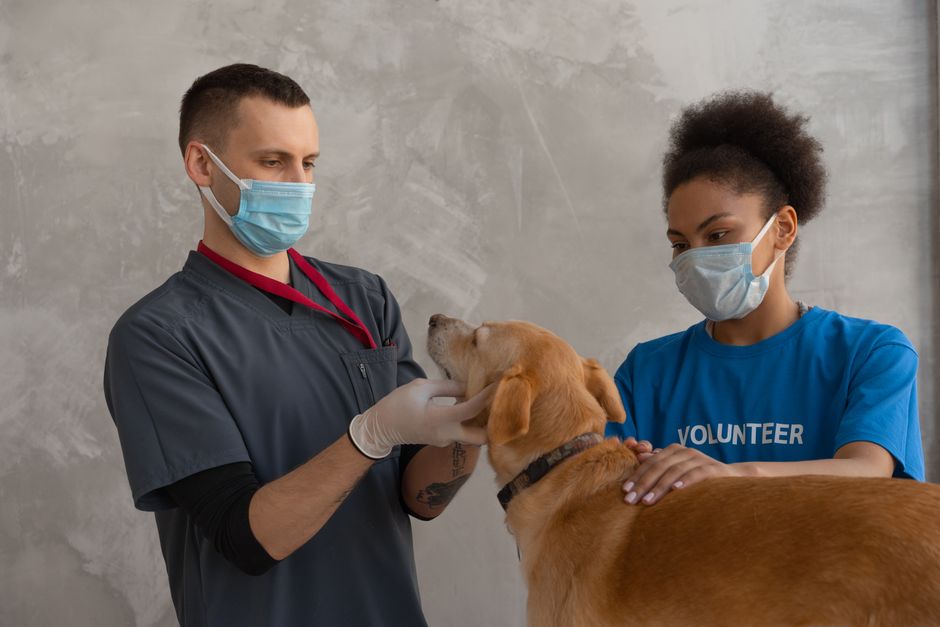
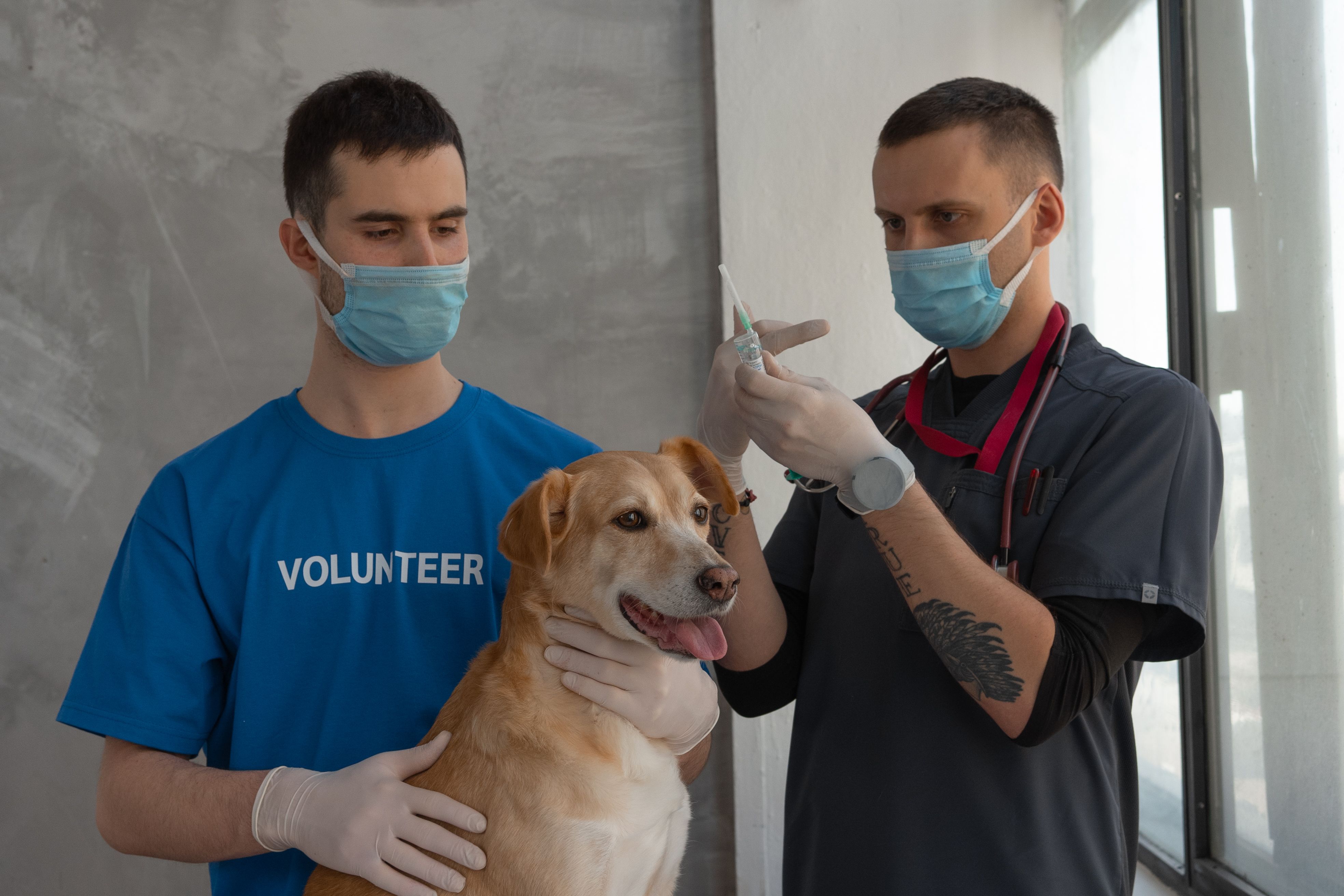
If you suspect your pet has a parasite problem, the first step is to schedule an appointment with our veterinarians at Mtn Green Animal Hospital. During your visit, we will conduct a thorough physical exam and may recommend additional diagnostics, such as skin scrapings, blood tests, or microscopic evaluations, to determine the type and extent of the infestation.
For fleas and ticks, treatment typically involves prescription-strength topical or oral medications that eliminate the pests and prevent reinfestation. In cases of severe skin irritation or secondary infection, medicated shampoos or antibiotics may be prescribed to help your pet heal quickly and comfortably. Our team can also advise you on safe and effective ways to treat your home environment, as flea eggs and larvae can persist in carpets and bedding.
When it comes to heartworm disease, annual testing is crucial for early detection. We recommend yearly heartworm testing for all dogs, even those on monthly preventatives, as no product is 100 percent effective. If a pet tests positive, treatment is more involved and may require multiple visits, strict exercise restriction, and specialized medications. Prevention is always preferable, which is why our veterinarians emphasize year-round protection.
For pets presenting with urgent symptoms, such as difficulty breathing, sudden lethargy, or collapse, immediate evaluation is recommended. Our hospital provides emergency veterinary care for pets in Mountain Green and is equipped to handle a wide range of urgent cases.
Preventing Parasites at Home: Practical Tips for June
Keeping your pet parasite-free involves a combination of veterinary care and diligent home routines. Preventive medications are the foundation; these are available as monthly chewables, topical liquids, or collars that protect against fleas, ticks, and heartworms. Your veterinarian will recommend the product best suited to your pet’s lifestyle and risk factors.
Regular grooming is an excellent way to spot fleas or ticks early. Brushing your pet’s fur, checking for parasites after walks or hikes, and examining the skin in hidden areas can help you catch problems before they escalate. Washing bedding, vacuuming carpets, and maintaining a clean yard will reduce the risk of flea infestations.
If you have a dog that spends time in wooded or grassy areas, consider keeping the coat trimmed in the summer to make spotting ticks easier. For cats, especially those that go outdoors, consistent application of veterinarian-recommended flea and tick preventives is essential.
To protect against heartworms, administer preventive medication every month without fail, even if your pet seems healthy. Missing just one dose can leave your pet vulnerable. If you are unsure whether your dog or cat is due for a dose or needs an updated prescription, our team can review your records and recommend the right preventative care plan.
When to Seek Veterinary Care for Parasite Concerns
Some parasite issues can be managed at home with guidance from your veterinarian, but there are situations where prompt professional intervention is necessary. If your pet develops intense itching, hair loss, or open sores, or if you spot live fleas or ticks that are not controlled by regular preventives, it’s time to schedule an appointment. Coughing, lethargy, or breathing problems may signal heartworm infection or another serious illness and should not be ignored.
Additionally, if you live in a multi-pet household or have recently adopted a new animal, consider booking a comprehensive physical exam to ensure that all pets are protected and to catch any issues early. For pets with urgent symptoms, such as sudden collapse or severe respiratory distress, contact us immediately—our team is ready to provide emergency care to help your pet recover.
Remember, your veterinarian is your best resource for safe and effective parasite prevention. Over-the-counter products can be less reliable or even dangerous if used incorrectly, so always consult our veterinary professionals before starting a new medication.
The Importance of Year-Round Prevention in Mountain Green
While June marks a spike in parasite activity, year-round prevention is truly the best defense for your dog or cat. Our region’s climate means that fleas, ticks, and mosquitoes can remain active well beyond the summer months, especially during mild winters or wet autumns. Skipping preventives for even a short time can create a window of vulnerability.
By working closely with our veterinarians, you can develop a customized plan that addresses your pet’s unique needs and the specific risks they face in Mountain Green. We offer subscription-based wellness plans, routine vaccination services, and ongoing education to keep your furry companions safe no matter the season.
Keeping Your Pet Safe: Schedule Your June Parasite Check Today
Protecting your pet from fleas, ticks, and heartworms does not have to be overwhelming. With the support of the veterinary professionals at Mtn Green Animal Hospital, you can enjoy a worry-free summer knowing your dog or cat is protected. Our team is committed to providing compassionate, thorough care for pets in Mountain Green and the surrounding communities—whether you need a seasonal check-up, urgent help, or just advice on the best products for your home.
If you are searching for a veterinarian near me this June, our hospital is here to help. Schedule an appointment at our welcoming Mountain Green location or call us at (801) 516-7004 to discuss your pet’s parasite prevention plan. For more information on keeping your pet healthy all year long, explore our preventative care services and heartworm testing options. Together, we can keep your furry family members safe, happy, and healthy this summer and beyond.
This article is intended for informational purposes only and does not replace professional veterinary advice. Always consult with your veterinarian for specific questions or concerns about your pet’s health.