Protecting Your Pet’s Paws From Hot July Pavement
Protecting Your Pet’s Paws From Hot July Pavement
As summer heats up in Mountain Green, many pet owners look forward to enjoying long walks, playful afternoons, and quality time outdoors with their dogs and cats. While these activities are a wonderful way to bond, the rising July temperatures can pose a hidden risk for your pet: hot pavement. Each year, countless pets experience discomfort or even serious burns to their sensitive paw pads after walking on sunbaked sidewalks and driveways. At Mtn Green Animal Hospital, located at 5714 W Canyon View Circle, Suite A, Mountain Green, UT 84050, our compassionate veterinary team is dedicated to helping you keep your pet safe and comfortable during the hottest part of the year.
In this blog, we will discuss how Mountain Green’s July weather can impact your pet’s paw health, how to recognize the signs of paw pad burns or discomfort, and practical steps you can take to prevent injuries. We will also explain when it’s time to seek professional veterinary care and how our team can help, whether you live in Mountain Green or the surrounding communities such as Morgan, Ogden, or North Ogden. By understanding the risks and knowing how to respond, you can keep your pet’s paws healthy and enjoy a safe, happy summer together.
Recognizing the Signs of Paw Pad Burns and Discomfort
Many pet owners are surprised to learn just how quickly pavement can heat up under the summer sun. Even when the air feels pleasantly warm, sidewalks, asphalt, and other surfaces can reach temperatures high enough to cause pain, blisters, or serious burns on your dog or cat’s paws. Understanding the warning signs of paw pad injuries is the first step in protecting your pet.
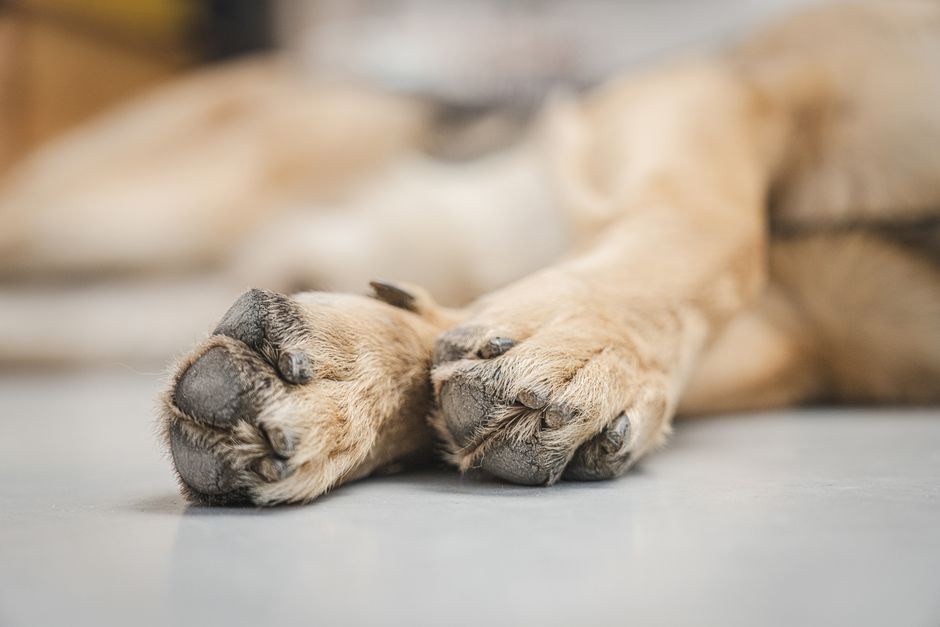
Common symptoms of pavement burns or discomfort include your pet limping or favoring one paw, reluctance to walk, stopping suddenly during a walk, or licking and chewing at their feet more than usual. You might also notice that your pet’s paw pads appear red, swollen, or have visible blisters or peeling skin. In more severe cases, your pet may vocalize in pain, avoid going outside altogether, or become suddenly anxious when approaching certain surfaces.
It is important to note that cats can also suffer from hot surface injuries, particularly if they spend time outdoors or walk across sun-exposed patios, decks, or driveways. Watch for signs like hesitancy to move, hiding, or licking at their paws after being outside. If your pet displays any of these symptoms after time spent outdoors, their paw pads may have been injured by hot pavement.
Why July Pavement Poses a Risk to Pets
Mountain Green experiences its warmest temperatures in July, with average highs approaching 88°F. While this may feel moderate compared to some parts of Utah, the sun’s intensity and the region’s low humidity can quickly turn concrete, asphalt, and even sand into dangerously hot surfaces. On a sunny day with an air temperature of 88°F, pavement can easily surpass 125°F within minutes. At these temperatures, skin damage can occur in less than a minute.
Pets’ paw pads are tough, but they are not immune to burns. Unlike humans, dogs and cats do not always recognize that a surface is too hot until it is too late. Their natural enthusiasm and trust in their owner’s guidance often mean they will follow you onto unsafe surfaces, unaware of the risk. Additionally, dark-colored surfaces, such as asphalt and blacktop, absorb more heat and become hazardous even faster.
Certain pets are at greater risk, including puppies, senior pets, and those with medical conditions that affect their mobility or sensation. Smaller dogs, who are closer to the ground, can also be affected by the double impact of hot surfaces and rising heat. By understanding how quickly pavement can heat up, you can make safer choices for your pet’s summer activities.
Treatment and Management of Paw Pad Burns
If you suspect your pet has burned their paws, prompt attention is important. For minor burns, you can gently rinse your pet’s feet with cool (not cold) water to soothe the area and remove any debris. Avoid applying ice, ointments, or home remedies without veterinary guidance, as these can sometimes worsen the injury or cause further discomfort. Keep your pet off hot surfaces and try to prevent them from licking or chewing at their paws, as this can introduce bacteria and delay healing.
In cases where you notice blisters, open wounds, significant limping, or signs of infection such as redness and swelling, it is best to seek professional care. Our team at Mtn Green Animal Hospital can assess the severity of the injury, provide appropriate wound care, and prescribe medications such as pain relief or antibiotics if needed. For burns that are not healing, or if your pet seems especially uncomfortable, a comprehensive physical exam can help determine if further treatment is required.
Prompt veterinary attention not only eases your pet’s pain but also reduces the risk of complications such as infection or long-term scarring. Our veterinary professionals have the experience and tools to support healing and keep your pet comfortable throughout the recovery process.
Preventing Paw Injuries: Home Care for Hot Weather Walks
The best way to protect your dog or cat from hot pavement injuries is to plan ahead and make simple adjustments to your summer routine. Try to walk your pet early in the morning or later in the evening, when surfaces are cooler and the sun is less intense. A good rule of thumb is to test the pavement with the back of your hand; if you cannot comfortably hold your hand on the surface for seven seconds, it is too hot for your pet’s paws.
Whenever possible, choose grassy, shaded paths or walk along dirt trails instead of sidewalks or asphalt. Protective booties are available for dogs and can provide a barrier between their feet and hot surfaces, especially for pets who love to hike or accompany you on outdoor adventures. Keep in mind that booties take some getting used to; introduce them gradually and offer lots of positive reinforcement.
Regularly check your pet’s paws for signs of wear, cracks, or injury, especially after time outside. Maintaining your pet’s paw health is an important part of overall wellness, and our veterinary team can provide advice on products or procedures that support healthy, resilient paw pads. For more tips on keeping your pet healthy throughout the seasons, visit our preventative care page.
When to Seek Veterinary Care for Paw Pad Injuries
Knowing when to reach out to your veterinarian is vital to your pet’s recovery. If you notice persistent limping, refusal to walk, bleeding, blisters, or any sign of infection such as swelling, discharge, or foul odor, your pet needs prompt attention. Burns that cover multiple paw pads or are accompanied by changes in behavior, appetite, or energy also require evaluation by a veterinary professional.
At Mtn Green Animal Hospital, we encourage pet owners not to wait if they are concerned about their pet’s comfort or safety. Sometimes, what appears to be a minor injury can quickly become more serious if not properly treated. Our team is equipped to handle everything from mild discomfort to more severe wounds, and we are committed to providing compassionate, expert care for your pet. You can learn more about our approach to urgent pet health situations by exploring our emergency care services or sick and urgent care options.
Supporting Your Pet’s Paw Health All Year Round
Protecting your pet’s paws is a year-round commitment, but summer in Mountain Green brings unique challenges. By staying informed and proactive, you can ensure that your dog or cat enjoys safe, comfortable adventures with you every season. Remember, regular wellness visits and comprehensive physical exams allow our veterinarians to assess your pet’s health from nose to tail, including their paws, and address any issues before they become serious.
If you have questions about your pet’s paw health or want personalized advice for summer safety, we invite you to schedule an appointment with our team. Whether you are a new pet owner or have been caring for animals for years, our veterinary professionals are here to support you and your pet every step of the way.
For those searching for a "vet near me" who truly understands the needs of pets in Mountain Green and the surrounding communities, Mtn Green Animal Hospital is ready to help. To schedule an appointment or speak with our veterinary team, call (801) 516-7004 or visit us at 5714 W Canyon View Circle, Suite A, Mountain Green, UT 84050. We look forward to helping your pet enjoy a safe and happy summer.
Disclaimer: This blog is for informational purposes only and should not be used as a substitute for professional veterinary care. If you are concerned about your pet’s paws or overall health, please consult your veterinarian promptly.