Summer Dehydration Risks for Mountain Green Dogs and Cats
Summer Dehydration Risks for Mountain Green Dogs and Cats
Keeping your dog or cat comfortable and healthy during Mountain Green’s hot, dry summers is high on every pet owner’s list, especially as temperatures climb and humidity drops in July. At Mtn Green Animal Hospital, we know just how quickly dehydration can become a serious threat for pets in our region. Whether you are enjoying the trails around Mountain Green or simply relaxing at home, knowing the signs of dehydration, how to prevent it, and when to seek help can make all the difference for your four-legged family member. In this blog, we will guide you through the warning signs of dehydration in dogs and cats, share practical tips for keeping your pet safe, and explain when to reach out to our veterinary team for help. Our goal is to empower you with the information you need to enjoy summer safely with your pet, while always having the support of our compassionate team here at 5714 W Canyon View Circle, Suite A, Mountain Green, UT 84050.
Recognizing Dehydration in Dogs and Cats
Understanding how dehydration presents in pets is the first step to protecting your dog or cat during the hottest months. Dehydration happens when your pet loses more fluids than they take in, leaving their body unable to function properly. Common signs of dehydration in dogs and cats include sticky or dry gums, sunken eyes, lethargy, loss of appetite, and a decrease in skin elasticity. For example, if you gently pinch the skin at the back of your pet’s neck and it does not quickly snap back into place, this may indicate dehydration. Other symptoms to watch for are excessive panting, a dry nose, and in severe cases, vomiting or diarrhea. Even subtle changes in behavior, such as your pet being less playful or seeking out cool, hidden spots to rest, can point to the beginnings of dehydration.
It is important to note that dehydration can progress quickly, especially in smaller dogs, senior pets, or cats with underlying health conditions. Cats, in particular, can be more challenging to monitor for dehydration due to their naturally low thirst drive and tendency to hide when not feeling well. Because some pets will not show obvious signs until they are already quite ill, being proactive and observant makes a significant impact.
Why Are Mountain Green Pets at Risk in Summer?
Mountain Green and the surrounding communities experience hot, dry conditions during the summer, which puts pets at greater risk for dehydration. The combination of high temperatures, low humidity, and increased outdoor activity means dogs and cats lose more fluids through panting, breathing, and even evaporation from their skin and paw pads. When pets are active outside, especially in the middle of the day, they can overheat and lose fluids faster than they can replace them.
Environmental factors such as direct sun exposure, hot pavement, and lack of shade can make matters worse. Even indoor pets can be affected if the house is warm, there is limited airflow, or water bowls are not replenished frequently. Certain breeds, such as flat-faced dogs like Bulldogs and Pugs, are more susceptible to heat and dehydration, while long-haired cats and dogs may struggle to stay cool in the intense summer sun.
Medical conditions, including kidney disease, diabetes, and gastrointestinal issues, can also increase your pet’s risk of dehydration. Pets recovering from surgery or illness, or those on certain medications, may need extra attention to their hydration needs. Understanding these risk factors helps you stay one step ahead in protecting your companion.
How Veterinarians Diagnose and Treat Dehydration
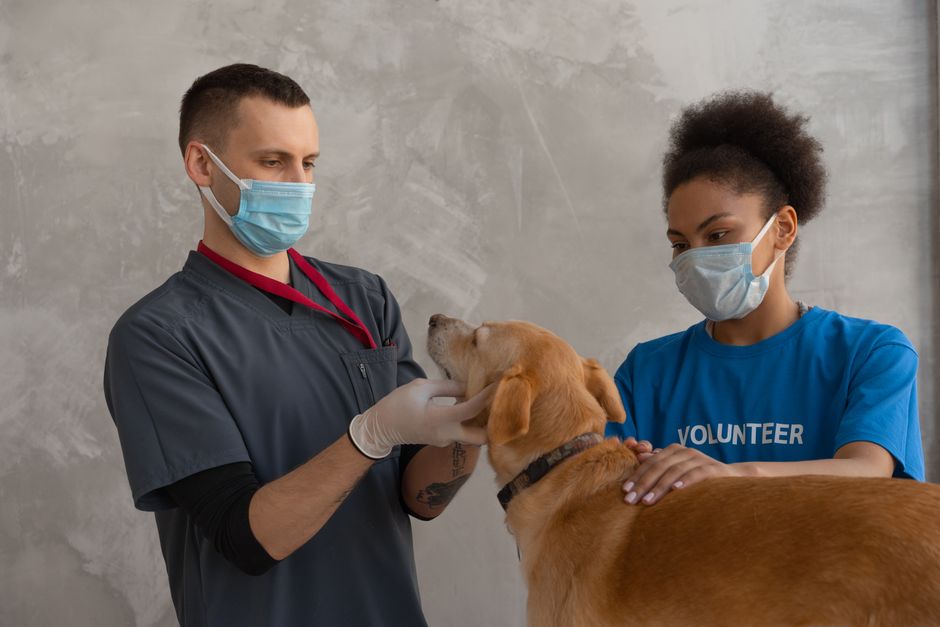
If you suspect your dog or cat is dehydrated, a prompt visit to the veterinary clinic is essential. At Mtn Green Animal Hospital, our veterinary professionals will begin by conducting a thorough physical examination, checking your pet’s hydration status, heart rate, and temperature. We may recommend diagnostic tests to determine the severity of dehydration and identify any underlying causes, such as blood work to check organ function or tests for infections.
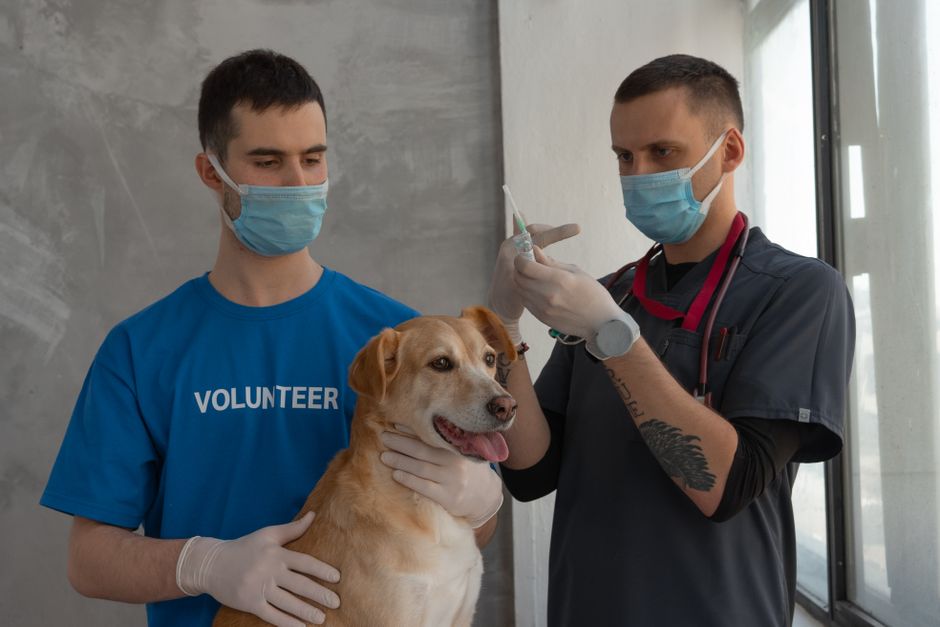
Treatment for dehydration depends on its severity. Mild cases may only require oral rehydration with water or an electrolyte solution, while more significant dehydration is often treated with intravenous or subcutaneous fluids to quickly restore electrolyte balance and hydration. Our veterinarians will also address any underlying conditions, such as treating vomiting, diarrhea, or fever, to prevent dehydration from recurring. In some cases, your pet may need to stay with us for monitoring and ongoing care until they are fully recovered.
For pet owners who are unsure about their pet’s symptoms, a comprehensive physical exam can help catch dehydration and other health issues early, before they become more serious. Our veterinary team is always ready to guide you on the next steps and provide the best care for your pet’s specific needs.
Preventing Dehydration at Home
While professional veterinary care is crucial for treating dehydration, prevention starts at home. Ensuring your dog or cat always has access to fresh, clean water is the number one step. Place water bowls in multiple locations around your home and yard, and refill them several times a day, especially during extreme heat. For pets who are reluctant drinkers, consider pet-safe water fountains, which can entice cats and some dogs to drink more.
During the hottest parts of the day, keep your pet indoors or in shaded, cool areas. Walk dogs in the early morning or late evening when temperatures are lower. Never leave your pet in a parked car, even for a short period, as temperatures can rise rapidly and lead to life-threatening heatstroke and dehydration. If your pet enjoys frozen treats, you can offer ice cubes or make pet-friendly ice pops with diluted broth to help keep them hydrated and cool.
Monitor your pet’s activity level and adjust playtime as needed. Shorter, more frequent walks or play sessions are safer than prolonged exertion in the heat. For long-haired breeds, regular grooming can help reduce overheating, while keeping up with your pet’s preventative care ensures they are healthy and resilient to summer stresses.
When to Seek Veterinary Help for Dehydration
Knowing when to seek help can save your pet’s life. You should contact our veterinary team immediately if your dog or cat shows signs such as persistent vomiting or diarrhea, refuses to drink water, appears weak or unresponsive, or has sunken eyes and dry gums. Rapid breathing, collapse, or seizures are also emergency situations requiring urgent veterinary attention.
Even if you are unsure, it is always better to err on the side of caution and speak with a veterinarian. Our team at Mtn Green Animal Hospital offers same-day appointments and after-hours support for emergencies in Mountain Green and surrounding communities. If your pet’s symptoms seem mild but do not improve with home care, schedule a visit so we can assess whether dehydration or another underlying issue is to blame. You can find more information about our emergency veterinary care services on our website.
For non-urgent concerns, such as mild lethargy or minor changes in water intake, you can request a comprehensive physical exam to have your pet evaluated and to discuss hydration strategies with our team.
Keeping Your Pet Safe: Summer Hydration Tips That Work
As you enjoy summer in Mountain Green, a few daily habits can go a long way in keeping your dog or cat healthy and hydrated. Always provide fresh water, monitor your pet for early warning signs of dehydration, and adjust activities to the weather. Don’t forget to check on your pet’s water bowls throughout the day, especially if you are away from home for work or outdoor adventures. If you notice any changes in your pet’s behavior, appetite, or energy, trust your instincts and reach out for veterinary guidance.
Remember that some pets need extra support during the summer months, including seniors, puppies and kittens, and those with chronic health conditions. Keeping up with regular preventative care visits helps catch issues early and ensures your pet is ready for seasonal changes.
Contact Mtn Green Animal Hospital for Summer Pet Care Support
Your pet’s health and comfort are our highest priorities at Mtn Green Animal Hospital. If you ever have concerns about dehydration or any other summer health risks, our veterinary professionals are here to support you with expert advice, compassionate care, and a full range of services. To schedule an appointment or speak with our team, call (801) 516-7004 or visit us at 5714 W Canyon View Circle, Suite A, Mountain Green, UT 84050. When searching for a vet near me, know that our team is committed to providing the highest level of care for dogs and cats in Mountain Green and the surrounding communities, so you can enjoy a safe, happy summer together.
If you have any questions or want to learn more about our comprehensive physical exams or emergency veterinary care, our veterinary team is always ready to help. Stay cool, stay hydrated, and let us be your trusted partner in your pet’s health all year round.