When to Take Your Mountain Pet to the Vet

When to Take Your Mountain Pet to the Vet
Living in the beautiful landscape of Mountain Green means your pets experience unique joys and challenges throughout the year, especially during the colder months. As temperatures dip and snow covers the ground, you may wonder when it’s time to bring your mountain pet to the vet. Some symptoms are easy to dismiss as minor or seasonal, but acting quickly can make all the difference for your pet’s health and happiness. At Mtn Green Animal Hospital, our veterinary team understands the specific needs of pets here in Mountain Green, Ogden, South Ogden, Morgan County, Northern Davis, Weber, and Davis and surrounding communities, providing comprehensive care from wellness exams to emergency services right at 5714 W Canyon View Circle, Suite A, Mountain Green, UT 84050. In this post, we’ll discuss the most important signs your pet may need a veterinary visit, why these symptoms can be especially concerning in mountain climates, and how timely professional care can help ensure your pet thrives all year long. Whether you’re worried about a limp, a cough, or just an unexplained change in behavior, knowing when to take your mountain pet to vet professionals is the first step toward protecting their well-being.
Recognizing When Your Mountain Pet Needs a Vet Visit
You know your pet best, but sometimes even subtle changes can signal a deeper problem. Recognizing those early warning signs is crucial, particularly in the winter when icy conditions, dry air, and indoor heating can all impact your pet’s health. Common symptoms that suggest you should take your mountain pet to vet professionals include persistent coughing, sneezing, or difficulty breathing, especially if your pet spends time outdoors in cold weather. Other signs to watch for are limping, reluctance to go outside, or visible injuries that may result from slipping on ice or rough terrain. Lethargy, sudden changes in appetite or thirst, and vomiting or diarrhea are additional red flags that often require prompt evaluation. In cats, hiding more than usual or neglecting grooming can point to discomfort or illness, while dogs may become unusually restless, whine, or shiver even when indoors.
If you notice any wounds, swelling, or bleeding, it’s always better to err on the side of caution and seek veterinary attention. Similarly, if your pet seems confused, collapses, or has difficulty standing, these can be emergency situations that call for immediate intervention. In mountain regions, pets may also be exposed to hazards like wildlife encounters or ingesting harmful substances such as antifreeze; symptoms like drooling, disorientation, or seizures are serious and require prompt action. Understanding these signs and responding quickly can help prevent more significant problems down the line.
Why Mountain Pets Face Unique Health Challenges
The Mountain Green area presents a range of environmental challenges that can affect your pet’s health in ways you might not expect. Colder temperatures, increased snowfall, and higher elevations all play a role. For example, icy paths and rugged trails can lead to slips, sprains, or paw pad injuries, while snow can hide dangerous objects that might cut or puncture your pet’s paws. Dry mountain air, combined with indoor heating, may cause respiratory irritation or exacerbate chronic conditions like asthma or bronchitis, making it vital to monitor for any respiratory distress.
Additionally, winter months often bring about changes in your pet’s routine. Pets may exercise less, leading to weight gain or joint stiffness—both of which can contribute to underlying health concerns. The risk of hypothermia or frostbite increases for pets that spend extended periods outdoors, especially for those with thin coats, older animals, or those with chronic illnesses. In rural and mountainous environments, encounters with wildlife, ingestion of toxic plants, or exposure to environmental hazards like ice melt chemicals and antifreeze are more common. Even indoor pets can be at risk if windows or doors are left open, or if they sneak outside unnoticed.
Understanding the specific risks associated with mountain living helps pet owners stay vigilant and proactive in preventing illness and injury. When in doubt, your local veterinary team can offer guidance tailored to our region’s unique conditions.
Treatment Options and What to Expect at the Vet
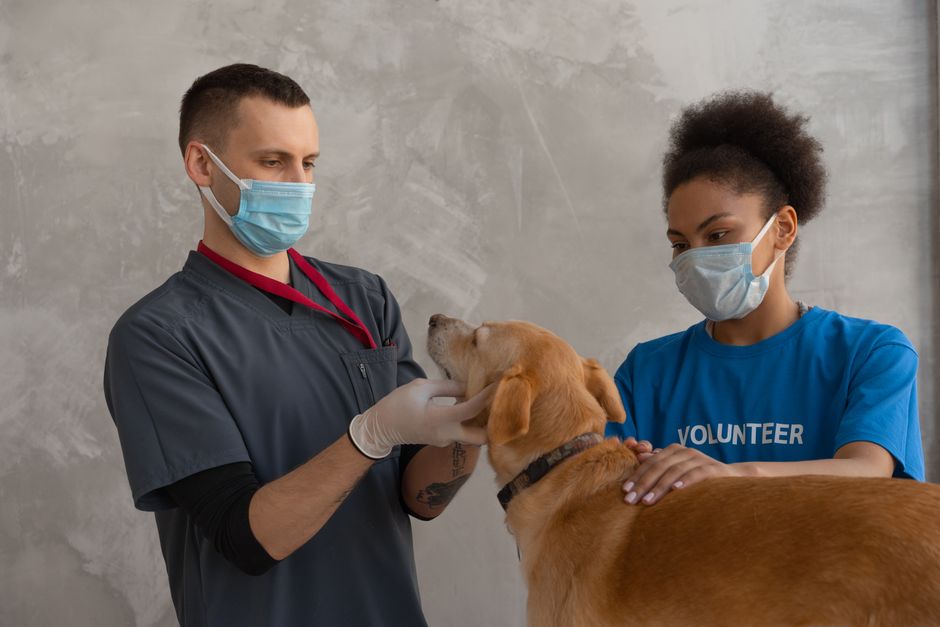
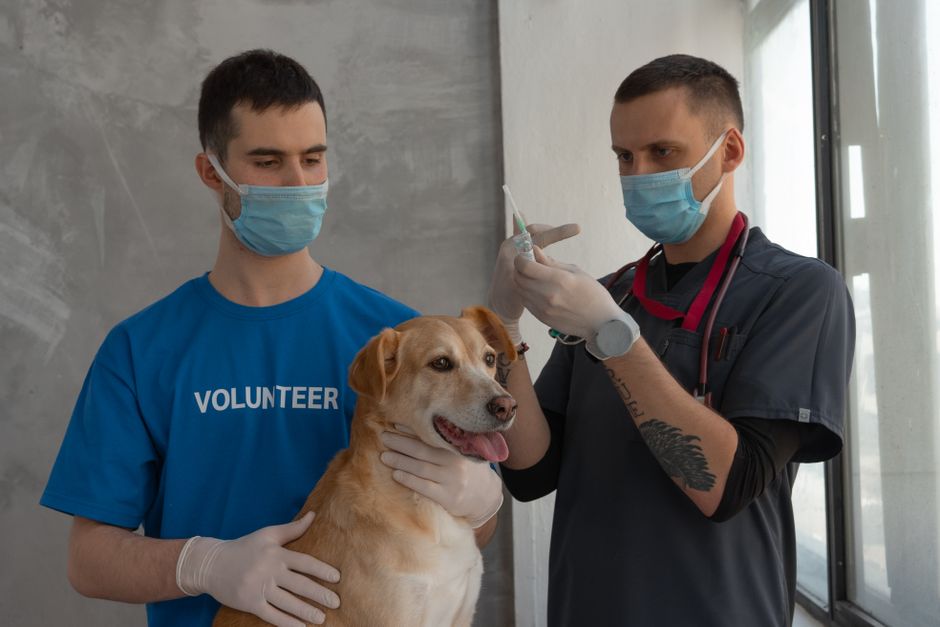
When you bring your mountain pet to vet professionals at Mtn Green Animal Hospital, you can expect a thorough evaluation tailored to your pet’s symptoms and lifestyle. Our veterinarians begin with a detailed history and physical examination to assess your pet’s overall health. Depending on the concern, diagnostic tools such as bloodwork, urinalysis, digital radiology, or ultrasound may be recommended to pinpoint the cause of an issue. For respiratory symptoms, we may use advanced imaging or laboratory testing to identify infections or chronic conditions.
If your pet is limping or has suffered an injury, our team will assess the severity and determine whether pain management, rest, or surgical intervention is needed. Wounds are cleaned and treated to prevent infection, and recommendations are made for ongoing care at home. In cases of suspected poisoning or toxin exposure, prompt decontamination and supportive therapies are essential.
For sudden illnesses like vomiting, diarrhea, or lethargy, our approach involves stabilizing your pet and addressing any underlying infections or organ dysfunction. We offer sick care services tailored to each situation, ensuring your pet receives the right medications, fluids, and follow-up monitoring as necessary. For more complex or ongoing issues, we may suggest enrollment in one of our care plans, which provide structured support for chronic conditions and preventive health throughout the year.
Our goal is always to provide compassionate, evidence-based care while keeping you informed every step of the way. We recognize that visiting the vet can be stressful for both pets and owners, which is why we strive to create a welcoming environment and clear communication during every visit.
Preventive Care and Home Strategies for Mountain Pets
Prevention is the best medicine, especially for pets living in challenging climates like Mountain Green, Ogden, South Ogden, Morgan County, Northern Davis, Weber, and Davis. Regular wellness exams are essential for catching problems early, updating vaccinations, and discussing any changes in your pet’s behavior or health. Scheduling a comprehensive physical exam each year—or more frequently for older pets—helps us monitor for subtle issues that might otherwise go unnoticed. Preventive care also includes parasite protection, dental health, and weight management, all of which are important for pets that spend time outdoors or encounter wildlife.
At home, you can take several steps to protect your pet’s health. Make sure your pet has a warm, dry place to rest, particularly during cold snaps or snowstorms. Inspect your pet’s paws after walks for signs of ice, salt, or injuries, and clean them thoroughly to remove any irritants. Maintain a consistent exercise routine indoors when outdoor activity is limited, using toys or interactive play to keep your pet active and engaged. Ensure fresh water is always available, as both cold weather and indoor heating can increase dehydration risk.
Monitor your pet’s appetite, weight, and energy level, as changes in these areas are often the first signs of illness. If you notice anything unusual, document the symptoms and duration so you can provide your veterinarian with a clear history during your visit. Remember, preventive care is a partnership between pet owners and veterinary professionals, and open communication helps keep your pet healthy through every season.
When to Seek Veterinary Care for Your Mountain Pet
Knowing when to take your mountain pet to vet professionals is one of the most important decisions you make as a pet owner. In general, you should schedule an appointment if your pet shows any persistent changes in behavior or health, such as ongoing coughing, difficulty breathing, limping, vomiting, diarrhea, or lethargy. Sudden injuries, bleeding, wounds, or any signs of severe pain require prompt attention. If your pet seems confused, collapses, has seizures, or you suspect exposure to toxins like antifreeze, contact your veterinarian immediately.
Mountain climates can intensify symptoms or make certain conditions more dangerous. For example, hypothermia and frostbite can develop quickly in cold weather, even during short walks. Respiratory distress may be exacerbated by dry air or altitude. Unexplained weight loss or changes in appetite can point to underlying metabolic or organ issues that need investigation.
If you’re ever unsure, our team is here to help assess your pet's situation and guide you on the best next steps. For urgent issues outside of regular hours, refer to our emergency veterinary care page for guidance on what to do and how to reach us quickly.
Conclusion: Protecting Your Mountain Pet with Timely Veterinary Care
Your pet’s health and happiness are our top priorities at Mtn Green Animal Hospital. By staying alert to changes in your pet’s behavior, understanding the unique challenges posed by our mountain environment, and seeking veterinary care when concerns arise, you can help your pet thrive no matter the season. Remember, taking your mountain pet to vet professionals at the first sign of trouble often leads to a quicker recovery and better outcomes.
If you have questions or need to schedule a visit, our Mountain Green, Ogden, South Ogden, Morgan County, Northern Davis, Weber, and Davis veterinary team is here to support you. When searching for a trusted "vet near me," know that our commitment to compassionate, high-quality care extends to every member of your family. Protect your pet’s health by scheduling a wellness exam, discussing preventive care, or reaching out for urgent concerns. Contact us at (801) 516-7004 or stop by 5714 W Canyon View Circle, Suite A, Mountain Green, UT 84050 for more information about when to take your mountain pet to vet professionals you can trust. For routine wellness, sick visits, or emergencies, we’re here to help you every step of the way.
This article is for informational purposes only and does not replace professional veterinary care. If you think your pet may be experiencing a medical emergency, please contact your veterinarian immediately or visit our emergency care page for urgent instructions.